
If you’re constantly searching “why is my hair thinning all of a sudden,” you already know the sinking feeling. It’s the dread of seeing too many strands circling the shower drain, the anxiety of noticing a widening part in the mirror, or the frustration of a hairline that seems to be quietly retreating. Hair loss isn’t just a physical change; it takes a toll on your confidence. You want a solution that actually works, but navigating the endless sea of “miracle” hair growth products can feel incredibly overwhelming.
For decades, the default answer from doctors and internet forums has been exactly the same: Minoxidil. While there is no denying that it remains the FDA-approved gold standard for severe hair loss, it comes with a catch. Many users are blindsided by the well-known minoxidil shedding phase—a period where you may actually lose more hair before you see any new growth. Add in the potential for an itchy, inflamed scalp, a greasy finish, and the reality of long-term dependency to maintain results, and it’s easy to see why some people abandon the treatment before it starts working. They are left searching for a natural alternative to minoxidil.
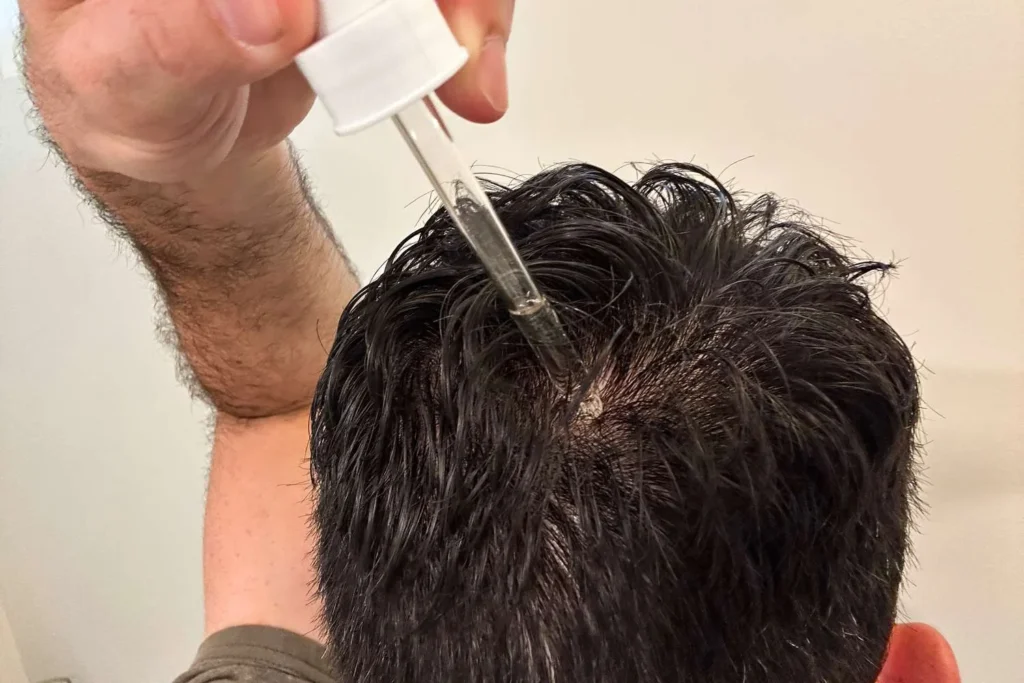
Заходите на Copper Peptides (specifically known as GHK-Cu). Long celebrated as a highly regarded anti-aging ingredient in luxury skincare, this peptide has recently gained significant traction in the haircare world. Promising to help rejuvenate shrinking hair follicles, soothe scalp inflammation, and support growth without a severe shedding phase, it sounds like a compelling non-prescription hair loss option. But is copper tripeptide good for hair loss, or is it just another beauty trend?
In this guide, we are going to explore the current research behind GHK-Cu and put it head-to-head against Minoxidil to help you have a more informed conversation with your dermatologist about your scalp care.
What is Copper Tripeptide (GHK-Cu)?
Before we dive into how it compares to minoxidil, let’s understand what we are actually putting on our heads. Copper Tripeptide-1, scientifically known as GHK-Cu, isn’t a harsh chemical designed to artificially shock your hair follicles. It is a naturally occurring complex found right inside your own body—in your blood plasma, saliva, and tissues.
Simply put, it’s a tiny protein fragment (a peptide made of three amino acids) bound to a copper ion. In the medical and dermatological world, its main job is acting as a signaling molecule. It instructs your body to support tissue repair, manage inflammation, and produce fresh collagen and elastin. However, research indicates that our natural levels of GHK-Cu decrease as we get older, dropping significantly by the time we hit age 60. This decline is one reason why our skin loses elasticity and why our hair may start to thin and lose its vitality over time.
This brings us to one of the most important shifts in modern haircare: the “skinification of hair.” For decades, we tried to treat hair loss by focusing solely on the hair strands. But your scalp is simply an extension of your facial skin. It ages, loses elasticity, and suffers from oxidative stress and environmental damage.
When you apply copper peptides to your scalp, you are essentially treating it with an anti-aging serum. By rejuvenating the cellular environment, GHK-Cu aims to create the optimal, nutrient-rich foundation required to support thicker, stronger hair.
How Copper Peptides Support Hair Growth: The Science
Copper peptides are grounded in cellular biology. When you apply GHK-Cu topically to a thinning scalp, it penetrates the skin barrier to communicate with your cells and support dormant hair follicles.
According to various dermatological studies and wound-healing research, here are the primary mechanisms behind its potential hair-boosting power:
- Prolonging the Anagen Phase (The Growth Cycle): Your hair goes through distinct life cycles, the most important being the Anagen phase (the active growth phase). When you experience hair loss, this growth window becomes noticeably shorter. Studies suggest that copper peptides can help prolong this Anagen phase, keeping your hair anchored to your scalp for a longer period before it naturally transitions to the shedding phase.
- Stimulating Angiogenesis (Boosting Blood Flow): Angiogenesis is the medical term for the creation of new blood vessels. Think of your shrinking hair follicles as starving plants. Research indicates copper peptides can stimulate the microcirculation network in your scalp. This increased blood flow rushes vital oxygen, vitamins, and nutrients directly to the hair roots.
- Reversing Follicle Miniaturization (Increasing Hair Thickness): If you look closely at a thinning hairline, you’ll notice the hairs are becoming baby-fine and wispy—a process called follicle miniaturization. By supporting the production of structural proteins like collagen and elastin deep within the scalp tissue, copper peptides may help physically enlarge the hair follicle over time, leading to a denser, more resilient strand of hair.
- Anti-inflammatory Action & Potential DHT Blocking: Dihydrotestosterone (DHT) is the hormone responsible for androgenetic alopecia (pattern baldness). While some in-vitro (test tube) and animal studies suggest that copper peptides may act as a mild DHT blocker by inhibiting the 5-alpha reductase enzyme, it is important to note that clinical human data is still evolving, and it is not as potent as prescription DHT blockers (like Finasteride). However, one of its most significant benefits is its противовоспалительное properties. Chronic scalp inflammation negatively impacts hair follicles. GHK-Cu helps calm the scalp microbiome, creating a healthier environment for hair to survive.
Copper Peptides vs. Minoxidil: The Comparison
If you are torn between the decades-old industry veteran and the rising star of scalp care, how do you actually choose?
Let’s put пептиды меди против миноксидила head-to-head based on current clinical understanding.
The Quick Comparison Guide
| Характеристика | Minoxidil (Over-the-Counter / Rx) | Copper Peptides (GHK-Cu) |
|---|---|---|
| Основной механизм | Vasodilator (forces blood vessels open to feed follicles) and prolongs Anagen phase. | Peptidic signaling (repairs tissue, reduces inflammation, supports collagen). |
| The “Shedding Phase” | Да.Often causes severe initial hair fall for the first 2-8 weeks. | No.Does not typically trigger a shedding phase. |
| Scalp Irritation Risk | High. Frequently causes itching, dryness, flaking, and redness due to carrier alcohols. | Low, but possible. Can cause contact dermatitis or irritation in sensitive individuals. |
| Long-Term Dependency | Да.If you stop using it, any newly grown hair will fall out within a few months. | No severe withdrawal.Hair will slowly revert to its natural aging/thinning process if stopped. |
| Systemic Side Effects | Possible (e.g., heart palpitations, unwanted facial hair growth, dizziness). | Rare when applied topically at safe concentrations. |
| Best For… | Advanced, genetic hair loss (Androgenetic Alopecia) that requires proven, aggressive treatment. | Early-stage thinning, stress-related shedding, maintaining a healthy scalp, and users sensitive to Minoxidil. |
Minoxidil: The Proven Heavy Hitter
As an FDA-approved medication, Minoxidil has decades of clinical data proving its efficacy in pushing dormant follicles back into the growth phase, especially for those suffering from advanced pattern baldness. However, it forces growth but does little to improve the overall health of your scalp skin. For many, the initial shedding phase, combined with common minoxidil side effects (like contact dermatitis and chronic itching), makes it a difficult regimen to maintain. Once you start, you generally need to continue it indefinitely to keep the results.
Copper Peptides: The Scalp Rejuvenator
Copper peptides act more like a nutrient-rich organic compost for the scalp. GHK-Cu is emerging as a promising natural alternative to minoxidil for people who cannot tolerate traditional medications or want a more holistic approach. It works с your biology by fighting inflammation and supporting the Anagen phase gently. While it may not offer the aggressive regrowth of Minoxidil for severe baldness, it provides a generally safe, comfortable route to a healthier scalp and thicker-looking hair.
How to Use Copper Peptides (And Crucial Risks to Avoid)
If you are ready to introduce GHK-Cu to your routine, here is a blueprint to maximize your results while minimizing potential risks.
1. Invest in a Leave-On Serum
Shampoos are washed down the drain within minutes—long before active peptides can penetrate the scalp barrier. For noticeable results, look for a reputable, leave-on copper peptide scalp serum. Apply a few drops to your scalp (focusing on thinning areas) and gently massage it in.
2. The Advanced Hack: Microneedling + Copper Peptides
Microneedling (using a derma roller or stamp with 0.5mm to 1.0mm needles) creates tiny micro-punctures in the scalp. Applying copper peptides after a session can increase absorption significantly. (Note: Only microneedle 1-2 times a week, and ensure your tools are strictly sanitized to prevent severe scalp infections).
3. CRITICAL WARNING: What NEVER to Mix with GHK-Cu
Copper peptides are powerful but highly unstable when exposed to certain pH levels. Never mix copper peptides with direct acids or strong antioxidants. Doing so can break the bond between the copper ion and the peptide, rendering the product useless or potentially causing severe skin irritation.
Do NOT apply copper peptides in the same routine as:
- Vitamin C (L-Ascorbic Acid): Ensure Vitamin C serums used on your face do not bleed into your scalp serum.
- Direct Acids (AHAs / BHAs): Ingredients like Glycolic Acid, Lactic Acid, or Salicylic Acid (often found in scalp exfoliating scrubs) will degrade the peptides. If you must use a salicylic acid scalp scrub, use it in the morning, wash it out completely, and apply copper peptides at night.
4. Understand the Risks and Always Patch Test
While generally safe and naturally occurring, copper peptides are not without risks:
- Аллергические реакции: Contact dermatitis is always a possibility with new skincare ingredients. Always perform a patch test on your inner arm 24 hours before applying it to your scalp.
- Paradoxical Hair Damage (Overuse): More is not always better. Using excessively high concentrations of copper peptides, or applying them too frequently, can lead to copper toxicity at the follicular level, paradoxically causing hair damage or shedding. Stick strictly to the manufacturer’s recommended usage.
- Medical Conditions: Pregnant or nursing women, and individuals with Wilson’s disease (a rare disorder that causes copper to accumulate in the body), should consult a doctor before using copper peptide products.
Часто задаваемые вопросы (FAQ)
Does copper peptide cause hair shedding?
Generally, no. Unlike minoxidil, copper peptides do not forcefully disrupt your hair’s natural growth cycle to trigger an initial shedding phase. They gently support the Anagen (growth) phase from the start.
Can I use copper peptides and minoxidil together?
Many dermatologists suggest they can be complementary. A common approach is applying a soothing copper peptide serum in the morning to manage scalp inflammation, followed by minoxidil at night. Always consult your doctor before combining treatments to ensure your scalp can tolerate both.
How long does it take for copper peptides to work on hair?
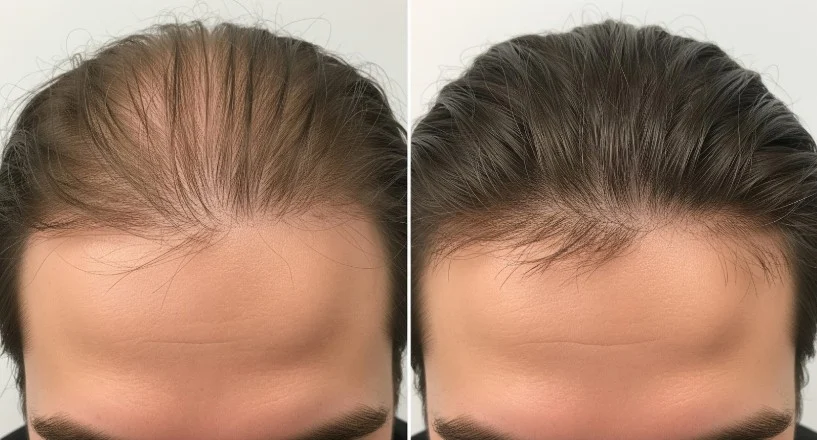
Consistency is key. While you may notice a calmer, more hydrated scalp within a few weeks, visible changes in hair density and thickness typically take 3 to 6 months of continuous use.
The Final Verdict
When evaluating пептиды меди против миноксидила, there is no absolute winner—only the best solution for Ваш specific condition.
If you are dealing with advanced genetic pattern baldness, minoxidil remains the proven, FDA-approved standard for stimulating new hair growth. However, if you are experiencing early-stage thinning, have a highly sensitive scalp, or want a holistic approach to scalp anti-aging without the fear of severe withdrawal shedding, copper peptides (GHK-Cu) are an excellent alternative.
Disclaimer: The information provided in this article is for educational and informational purposes only and does not constitute medical advice. Hair loss can be a symptom of underlying health conditions. Always consult with a board-certified dermatologist or a qualified healthcare provider before starting any new hair loss treatment or if you experience sudden, unexplained hair shedding.
 Russian
  English
  French
  German
  Italian
  Japanese
  Korean
  Spanish
  Portuguese