
You’ve hit a wall. The weights that felt challenging last month now feel impossibly heavy. Or maybe you’re over 45, and you want to maintain your strength and vitality for decades to come. Perhaps you’ve simply heard the whispers in the gym or seen the ads online, all touting creatine as a miracle powder for muscle growth.
But what’s the truth? Is it safe? Does it cause hair loss? Is it just for 22-year-old bodybuilders?
The internet is filled with conflicting advice, half-truths, and outdated myths. This guide is designed to be your final destination. Whether you’re a complete beginner intimidated by supplements, an experienced lifter looking to optimize, or a man focused on long-term health, we will provide clear, science-backed answers to every question you have. Consider this your definitive map to understanding and using creatine effectively and safely.

What is Creatine? Your Body’s Natural Performance Fuel
Before we talk about benefits, let’s clear up the biggest misconception: creatine is not an artificial steroid or some mysterious lab-made chemical. It is a completely natural compound that your own body produces in the liver, kidneys, and pancreas. You also consume it every time you eat red meat or fish.
How It Works: Recharging Your Muscles’ Energy Batteries (ATP)
Think of your muscles as having tiny, rechargeable batteries called ATP (Adenosine Triphosphate). ATP is the direct source of energy for explosive movements, like lifting a heavy weight or sprinting. When you exert yourself, these batteries are rapidly drained.
Creatine’s job is to act as a battery recharger. It rapidly replenishes your ATP stores, allowing you to push out those extra one or two reps, lift slightly heavier, and maintain your intensity for longer. More work in the gym, over time, leads to more muscle and strength.
The Verdict: Why Creatine Is a Safe Supplement, Not a Dangerous Steroid
The crucial difference lies in their mechanism. Anabolic steroids are synthetic hormones that hijack your body’s endocrine system to force muscle growth, often with severe side effects. Creatine, on the other hand, works within your natural energy pathways. It’s simply a way of topping off your fuel tank so your muscles can perform at their peak potential. With over 1,000 studies, it is one of the most researched and safest sports supplements on the planet.
The Core Benefits: What Men Can Realistically Expect
So, what happens when you start supplementing with creatine? The effects are not just hype; they are tangible and well-documented.
Benefit 1: Lift Heavier, Push Harder (Increased Strength & Power)
This is creatine’s most famous benefit. By keeping your ATP batteries charged, it directly translates to improved performance in short, high-intensity activities. Studies consistently show that creatine supplementation can increase strength and power output by 5-15%. For you, this means breaking through plateaus and adding more weight to your deadlifts, squats, and bench presses.
Benefit 2: Build Muscle More Effectively (Enhanced Hypertrophy)
More strength means you can create a greater stimulus for muscle growth. By enabling you to complete more reps and sets with heavier loads, creatine accelerates the muscle-building process. It also draws water into your muscle cells—a process called cellular hydration—which not only makes your muscles look fuller but may also trigger anabolic signals that promote growth.

For Men Over 45: A Proven Tool Against Age-Related Muscle Loss
For men entering their middle and later years, creatine becomes an invaluable ally. Sarcopenia, or age-related muscle loss, is a major concern that affects mobility and overall health. Research has shown that when combined with resistance training, creatine is highly effective at helping older adults preserve muscle mass, maintain strength, and improve physical function. It’s one of the simplest, most effective nutritional strategies for healthy aging.
The Cognitive Edge: How Creatine Also Fuels Your Brain
Creatine’s benefits extend far beyond the gym. Your brain is an incredibly energy-hungry organ, consuming about 20% of your body’s calories. Just like your muscles, your brain uses ATP for fuel, especially during demanding mental tasks.
The Science: Powering Your Brain Cells for Demanding Tasks
By increasing the availability of energy in the brain, creatine supplementation has been shown to combat mental fatigue. This is particularly noticeable in situations of stress or sleep deprivation.
The Evidence: What Studies Say About Memory, Focus, and Brain Fog
A growing body of research, including several meta-analyses, suggests that creatine can have a significant positive impact on cognitive function. Studies have demonstrated improvements in:
- Short-term memory
- Reasoning and problem-solving skills
- Reduced mental fatigue during complex tasks
For the man looking for a complete performance edge—in the boardroom as well as the weight room—creatine offers a compelling, science-backed advantage.
The Complete User’s Manual: How to Take Creatine the Right Way
Getting started with creatine is simple. There’s no need for complex protocols; consistency is the key.
What’s Your Optimal Daily Dose? A Simple Guide
For the vast majority of men, a daily maintenance dose of 3-5 grams is all that’s needed. You can mix it with water, juice, or your protein shake. The exact timing isn’t critical, but taking it around your workout or with a meal containing carbs and protein might slightly enhance uptake.
The Loading Phase: A Shortcut or an Unnecessary Hassle?
You may have heard of a “loading phase” (taking 20 grams per day for 5-7 days) to saturate your muscles faster. While it works, it’s not necessary. Starting with the 3-5 gram daily dose will achieve the same full saturation in about 3-4 weeks. Skipping the loading phase is also the best way to minimize the risk of any potential digestive discomfort.
The “No-Bloat” Checklist: 4 Actionable Tips
Worried about looking puffy? The “water weight” from creatine is primarily inside the muscle cell (a good thing!), not under the skin. However, to ensure the best experience, follow this checklist:
- Skip the Loading Phase: Start directly with 3-5 grams daily.
- Stay Hydrated: Drink plenty of water throughout the day to help your body process the creatine efficiently.
- Mix It Well: Ensure the powder is fully dissolved before drinking it.
- Choose Quality: A high-quality, easily dissolvable powder can make a difference. Many users find that a good micronized creatine monohydrate mixes effortlessly and minimizes any potential grit or stomach upset.
Fact vs. Fiction: Addressing the Top 3 Safety Concerns
Creatine’s safety profile is robust, yet myths persist. Let’s tackle them head-on with science.
Concern #1: The Hair Loss Connection (Or Lack Thereof)
This is arguably the biggest myth. It originates from a single, small study in 2009 on rugby players that found an increase in a hormone called DHT. However, the study did not measure hair loss, and its findings have never been replicated in the dozens of studies since. The overwhelming consensus in the scientific community is that there is no direct, credible evidence linking creatine supplementation to hair loss.
Concern #2: Kidney Health (What the Long-Term Data Shows)
The idea that creatine harms the kidneys has been thoroughly debunked. Decades of research, including studies on subjects taking creatine for up to five years, have found no adverse effects on kidney function in healthy individuals. The International Society of Sports Nutrition states that it is safe and effective. As a precaution, individuals with pre-existing kidney disease should consult their doctor before taking any supplement.
Concern #3: Understanding “Water Weight” (It’s a Good Thing)
Creatine does cause your muscles to retain water. However, this is intracellular water (inside the muscle cells). This cellular hydration is a positive sign; it increases muscle cell volume, contributes to a fuller, more muscular look, and may even play a role in signaling muscle growth. It is not the same as the subcutaneous water retention that makes you look soft or puffy.
The Smart Buyer’s Guide: How to Choose the Best Creatine
The supplement aisle can be confusing. Here’s how to make the right choice, every time.
The Ultimate Comparison: Monohydrate vs. HCL vs. Others
| Feature | Creatine Monohydrate | Creatine HCL & Others |
|---|---|---|
| Scientific Evidence | 🥇 Gold Standard (1000+ studies) | Limited (Few human trials) |
| Proven Effectiveness | Unequivocally effective | No proof of superiority |
| Cost per Gram | Very Low ($) | High ($$$) |
| Purity & Safety | Excellent safety record | Less long-term data |
| Best For | 99% of Men | Those willing to pay more for unproven benefits |
The Bottom Line: Why Monohydrate Is the Smartest Choice for 99% of Men
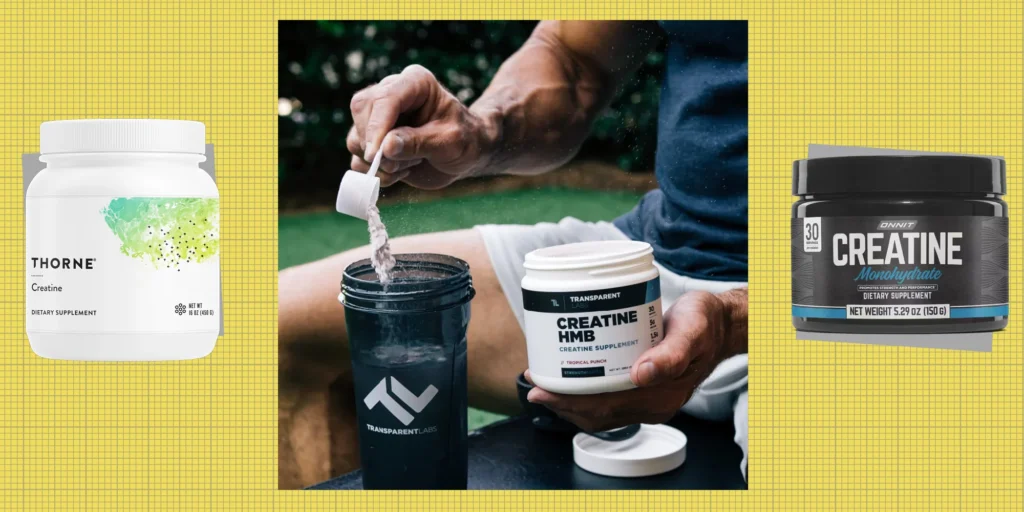
Don’t fall for the marketing hype around newer, more expensive forms of creatine. Creatine monohydrate is the form used in the vast majority of scientific studies. It’s proven to be effective, safe, and by far the most economical choice. Look for “micronized” monohydrate for improved mixability.
The Final Takeaway: Is Creatine the Right Move for You?
So, after all this, should you take creatine? Let’s summarize.
- For the Gym Newbie: Absolutely. It’s the safest, most effective way to accelerate your initial strength and muscle gains, providing the positive feedback that keeps you motivated.
- For the Performance Optimizer: Without a doubt. If you’re not already using it, you’re leaving performance on the table. It’s the legal, proven edge you need to break through plateaus.
- For the Health-Conscious Man: Yes, it’s a powerful tool. Its benefits for preserving muscle mass and supporting brain function make it one of the most compelling supplements for long-term male vitality.
Creatine isn’t a magic pill, but it is a remarkably effective tool. When combined with consistent training and proper nutrition, it can help you reach your goals faster and more efficiently.