
Does your morning latte give you 30 minutes of sharp alertness followed immediately by two hours of jitters, anxiety, and an eventual energy crash? You are not alone. Most of us have accepted this volatile relationship with caffeine as the unavoidable price of productivity.
But what if the problem isn’t the caffeine itself, but the delivery system?
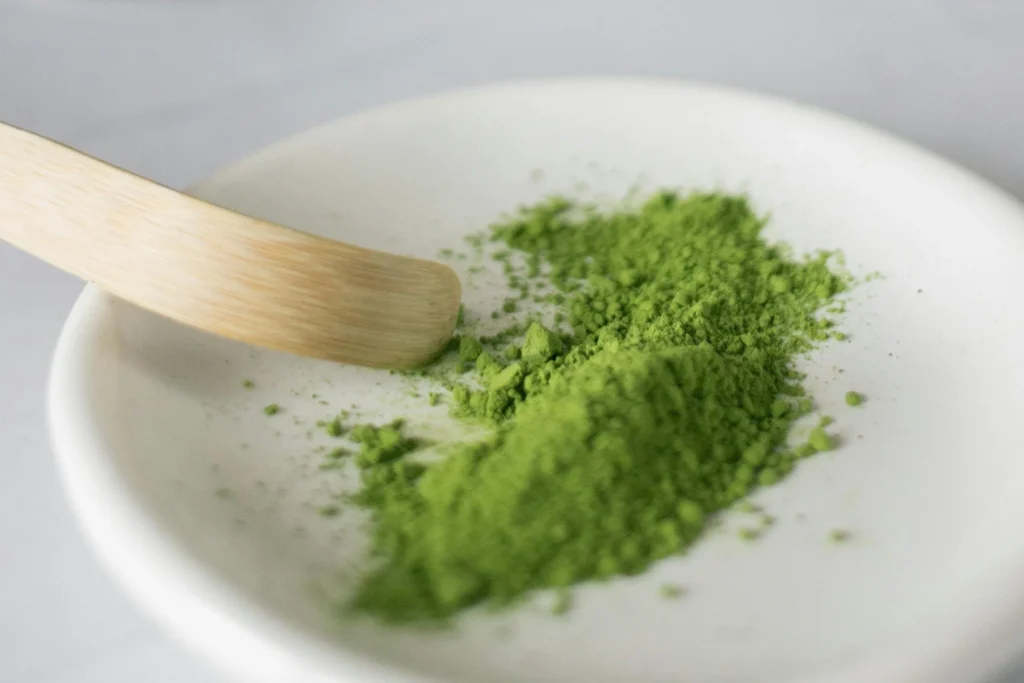
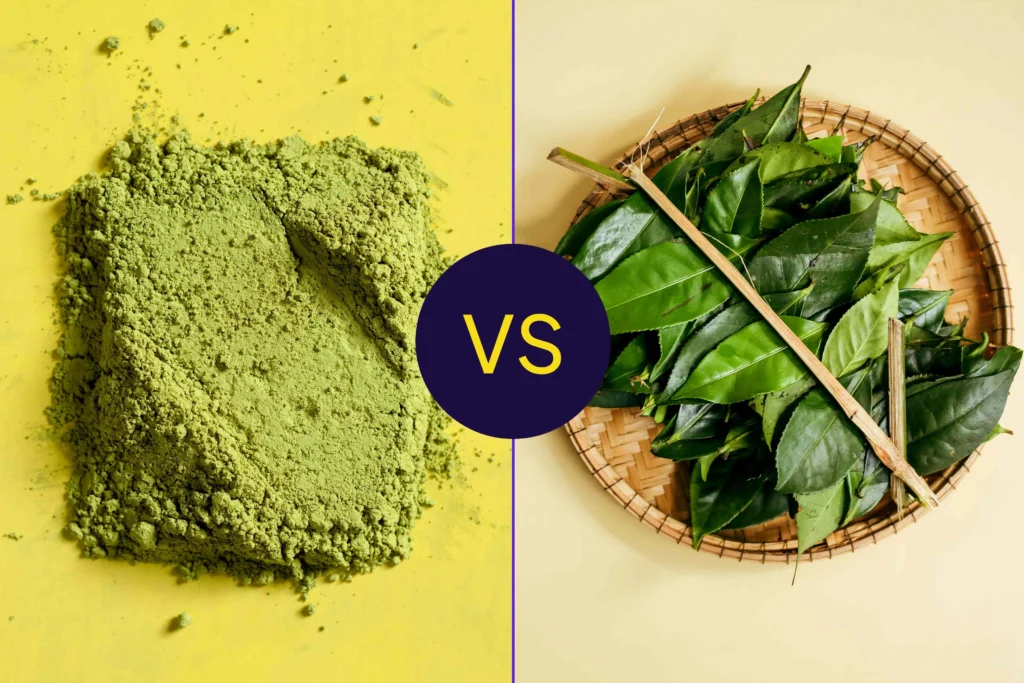
Enter Matcha. Unlike traditional steeped green tea, where you discard the leaves (and most of the nutrients) after brewing, drinking matcha means you are ingesting the whole leaf. These leaves, known as Tencha, are shade-grown to boost chlorophyll levels and then stone-ground into a microscopic powder.
When you drink matcha, you aren’t just drinking a beverage; you are consuming a potent suspension of antioxidants, amino acids, and phytonutrients.
This guide moves beyond the typical “superfood” buzzwords. We will explore the specific physiological mechanisms behind how matcha regulates sebum production for clearer skin, optimizes fat oxidation during exercise, and supports female hormonal health—all backed by data, not hype.
The Nutrient Density: Why Matcha Outperforms Regular Green Tea
To understand the benefits, you must first understand the math of extraction. When you steep a bag of green tea, you are essentially making an infusion. You get the water-soluble components, but the majority of the fat-soluble vitamins and fiber remain trapped in the bag, which you ultimately throw in the trash.
With matcha, the bioavailability is fundamentally different because you consume the entire plant matrix.
The 137x EGCG Myth vs. Reality
You have likely seen the marketing claim that “Matcha has 137 times the antioxidants of green tea.” We need to clarify this. This figure often cited in marketing materials comes from a specific study comparing high-grade matcha to extremely low-quality bagged tea.
While the “137x” figure is an outlier, the reality is still clinically impressive. Research published in the Journal of Chromatography A suggests that the concentration of Epigallocatechin Gallate (EGCG)—the most potent catechin—is at least 3 times higher in matcha than in high-quality steeped green tea.
More importantly, because matcha is shade-grown (blocked from sunlight for 3-4 weeks before harvest), it develops significantly higher levels of L-Theanine and Chlorophyll. This unique chemical profile is what separates a simple beverage from a functional metabolic tool.
Note: The quality matters. The nutrient density drops significantly in “Culinary Grade” matcha compared to “Ceremonial Grade,” which uses the youngest, most nutrient-dense leaves.
Matcha Benefits for Skin: The “Inside-Out” Solution
Most skincare routines focus entirely on the surface—cleansers, toners, and serums. While these are important, they often fail to address the root causes of skin issues: systemic inflammation, oxidation, and hormonal fluctuations. Matcha offers a systemic, “inside-out” approach to skincare.
How EGCG Fights Hormonal Acne (The Mechanism)
If you suffer from hormonal acne (often appearing along the jawline), this is the most critical section for you. Hormonal acne is frequently driven by an androgen called DHT (Dihydrotestosterone). When your body produces too much DHT, it signals your sebaceous glands to overproduce oil, leading to clogged pores and inflammation.
Here is where the science gets fascinating: EGCG is a natural 5-alpha-reductase inhibitor.
5-alpha-reductase is the enzyme responsible for converting Testosterone into the more potent DHT. By inhibiting this enzyme, EGCG can help reduce the downstream production of excess sebum.
- The Result: You aren’t just drying out a pimple; you are regulating the hormonal signal that caused it.
- The Evidence: Studies on green tea polyphenols suggest that consistent intake of catechins can significantly lower systemic inflammation and sebum levels, offering a promising adjunct therapy for acne.

Anti-Aging and UV Protection
Aging is largely a result of oxidative stress. Free radicals—unstable atoms from UV rays, pollution, and metabolism—attack your collagen layers, leading to wrinkles and sagging.
Matcha functions somewhat like an internal sunscreen. It doesn’t replace your SPF 50, but it increases your skin’s baseline resistance to UV radiation. The high concentration of polyphenols scavenges these free radicals before they can degrade your collagen matrix. Think of it as a biological shield that operates from within your cells.
DIY Matcha Face Mask Recipe
While drinking matcha delivers systemic benefits, topical application can soothe acute redness and inflammation immediately.
The Simple “Honey-Matcha” Mask:
- Ingredients: 1 tsp Ceremonial Grade Matcha + 1 tsp Raw Manuka Honey.
- Method: Mix in a small bowl. Pro Tip: Use a [bamboo whisk (chasen)] to ensure the powder is fully incorporated and clump-free. If it’s too thick, add a few drops of water.
- Application: Apply to clean skin, leave for 15 minutes, and rinse with warm water.
The chlorophyll helps reduce redness, while the honey acts as a humectant to lock in moisture.
Weight Loss & Metabolism: Timing Is Everything
Simply drinking matcha and remaining sedentary won’t magically melt pounds away. However, if utilized strategically, matcha can be a powerful catalyst for metabolic efficiency. The key variable here is timing.
The 17% Fat Burning Boost
If you are using matcha for weight loss, the best time to drink it is 30 minutes before exercise.
A landmark study published in the American Journal of Clinical Nutrition demonstrated that green tea extract ingestion prior to moderate-intensity exercise increased fat oxidation rates by 17%. This suggests that matcha primes your body to utilize fat stores for energy more efficiently than exercise alone.
Thermogenesis & Glucose Regulation
Beyond the gym, matcha supports thermogenesis—the rate at which your body burns calories at rest. Perhaps more importantly, the catechins in matcha help regulate blood glucose spikes. By preventing the rapid insulin spikes that often follow a meal, matcha helps prevent your body from entering “fat storage mode,” making it an excellent companion to intermittent fasting or low-carb protocols.
Specific Benefits for Female Health (PCOS & Cycle)
While matcha is healthy for everyone, its specific impact on female endocrinology warrants a dedicated discussion, particularly regarding Polycystic Ovary Syndrome (PCOS).
Matcha for PCOS and Insulin Resistance
One of the primary drivers of PCOS symptoms is insulin resistance. When insulin levels are chronically high, the ovaries are stimulated to produce excess testosterone.
As discussed earlier, matcha aids in improving insulin sensitivity. By helping cells respond better to insulin, matcha can indirectly help lower the ovarian production of androgens. This creates a virtuous cycle: lower insulin leads to lower testosterone, which can help restore regular ovulation and reduce hirsutism (excess hair growth).
Managing Menstrual Inflammation
Dysmenorrhea (painful periods) is fundamentally an inflammatory condition mediated by prostaglandins. The potent anti-inflammatory properties of EGCG can help dampen this systemic inflammatory response, potentially reducing the severity of cramping.
Energy & Focus: The “Calm Alertness”
Why do Zen monks drink matcha before meditation? It’s not for the buzz; it’s for the Flow.
L-Theanine vs. Caffeine (The Alpha Wave Effect)
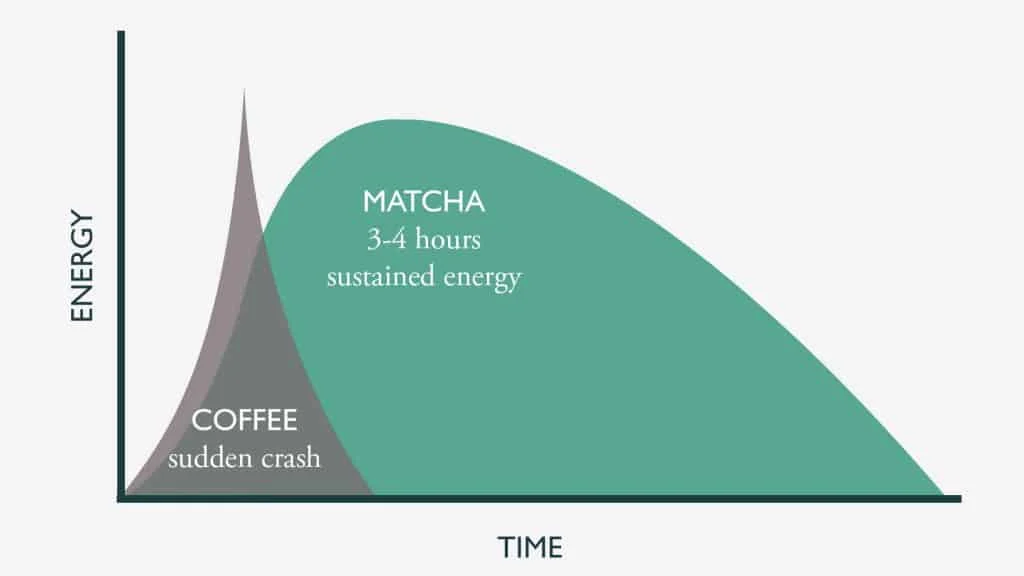
Coffee provides a spike in cortisol and adrenaline. This wakes you up, but it also puts your body into a state of “fight or flight.”
Matcha contains caffeine (about 30-70mg per cup, less than coffee), but it is uniquely paired with L-Theanine. L-Theanine is an amino acid that promotes the production of alpha brain waves, which are associated with a state of “relaxed alertness.”
- The Synergy: L-Theanine acts as a buffer for caffeine. It smooths out the absorption curve, preventing the jittery spike and the subsequent crash. The result is sustained, focused energy that can last for 4-6 hours—perfect for deep work or study sessions.
Side Effects & Troubleshooting: What They Don’t Tell You
We believe in transparency. While matcha is incredibly safe for most people, there are common complaints—usually resulting from improper preparation or low-quality products.
“Why Does Matcha Make Me Nauseous?”
This is the #1 complaint from new drinkers.
- The Cause: Matcha is high in tannins, which can temporarily increase stomach acidity and irritate the stomach lining.
- The Fix: Never drink matcha on an empty stomach. If you are sensitive, simply add a splash of almond milk or oat milk. The proteins and fats in the milk bind to the tannins, neutralizing the acidity and preventing nausea.
Liver Health: Tea vs. Supplements
You may have read scary headlines about green tea extracts causing liver damage. It is crucial to distinguish between drinking tea and swallowing concentrated pills. According to the European Food Safety Authority (EFSA), daily intake of EGCG is safe up to 800 mg.
- The Context: One cup of matcha contains roughly 60-120 mg of EGCG. You would need to drink over 7 cups of strong matcha daily to approach the danger zone. The risk of liver toxicity is almost exclusively linked to high-dose weight loss supplements, not the tea itself.
The Lead & Heavy Metal Truth
Tea plants are “bio-accumulators,” meaning they absorb minerals (and heavy metals) from the soil.
- The Risk: Cheap matcha grown in industrial areas (often outside of Japan) can contain elevated levels of lead.
- The Solution: Always choose matcha from Uji or Nishio, Japan. These regions have strict soil testing standards. Furthermore, look for Organic Certification to ensure you aren’t concentrating pesticides in your cup.
Safety Tip: Don’t risk your health to save a few dollars. Look for [Organic Certified, Shade-Grown Matcha from Japan].
How to Select the Right Matcha (Buying Guide)
Not all powder is created equal. Understanding the “Grades” will save you money and ensure you get the benefits you are paying for.
| Feature | Ceremonial Grade | Culinary Grade |
|---|---|---|
| Purpose | Drinking straight (Whisk with water) | Baking, Smoothies, Lattes (with sugar) |
| Harvest | First Harvest (Youngest leaves) | Second or Third Harvest (Older leaves) |
| Color | Vibrant, Neon Green | Dull, Olive / Brownish Green |
| Taste | Sweet, Umami, Creamy | Bitter, Astringent, Grassy |
| Nutrients | Highest in EGCG & Chlorophyll | Lower antioxidant content |
| Best For | Skin health & Anti-aging | Flavoring recipes |
The Verdict: If you are drinking it for the skin benefits or hormone balancing, invest in Ceremonial Grade. The higher chlorophyll content (indicated by the bright green color) is a marker of its potency.
Frequently Asked Questions (FAQ)
Does matcha stain teeth?
Yes, like coffee and red tea, the tannins can stain teeth over time. To mitigate this, rinse your mouth with water after drinking, or sip your iced matcha through a straw.
Is matcha safe during pregnancy?
Generally, yes, but watch your total caffeine intake. Experts usually recommend staying under 200mg of caffeine per day. Since one cup of matcha has ~70mg, 1-2 cups is typically considered safe. However, always consult your OB-GYN.
Does matcha break a fast?
Strictly speaking, yes, because it requires digestion. However, for metabolic fasting (aiming for weight loss), a plain matcha tea (no milk/sugar) has negligible calories and does not spike insulin, so it is widely accepted in the Intermittent Fasting community.
Final Thoughts
Matcha is not a magic bullet. Drinking a cup won’t erase a week of poor sleep or a high-sugar diet. However, when used as a consistent daily ritual, it is one of the most potent tools available for regulating metabolism, calming the mind, and protecting the skin.
Start with one cup of high-quality ceremonial matcha in the mid-morning. Your cortisol levels—and your skin—will thank you.