
In the ever-evolving universe of skincare, few ingredients generate as much intrigue and respect as Copper Tripeptide-1, more commonly known as GHK-Cu. Often found in brilliant blue serums with premium price tags, it’s lauded as a powerhouse for skin regeneration and anti-aging. But what exactly is this molecule, and does the science justify the hype?
This deep dive goes beyond the surface-level claims. We will explore the fascinating science of GHK-Cu, from its discovery to its profound effects on our genes, and provide practical guidance for both savvy consumers and professional cosmetic formulators.
From Human Plasma to Skincare Hero: The Discovery of GHK-Cu
The story of GHK-Cu is not one of marketing invention but of scientific discovery. In the 1970s, Dr. Loren Pickart, a scientist at the University of California, San Francisco, made a groundbreaking observation. He noticed that liver cells from older individuals, when placed in the blood plasma of younger individuals, began to function like younger cells. His quest to isolate the factor responsible for this rejuvenation led him to a small peptide: Glycyl-L-Histidyl-L-Lysine, or GHK.
Later research revealed that GHK has a strong affinity for copper (II) ions, forming the GHK-Cu complex. This discovery was pivotal. It showed that GHK-Cu is a naturally occurring compound in our bodies, particularly in plasma, saliva, and urine, but its concentration declines sharply with age. This age-related decline correlates with a decreased capacity for tissue repair, setting the stage for GHK-Cu’s role as a key regenerative ingredient in skincare.
What Exactly Is Copper Tripeptide-1 (GHK-Cu)?
At its core, Copper Tripeptide-1 is a peptide complex where the tripeptide GHK (glycyl-histidyl-lysine) is bound to a copper ion. This combination is far more powerful than the peptide or copper alone.
GHK vs. GHK-Cu: The Crucial Role of Copper
Think of GHK as a highly skilled courier. On its own, it has some biological activity. But when it carries a package—the copper ion—it becomes a high-priority delivery service for skin cells. Copper is an essential trace element vital for many enzymatic processes, including collagen synthesis and antioxidant defense. GHK’s role is to deliver copper to cells in a stable, targeted, and biologically available manner, unlocking a cascade of regenerative signals.
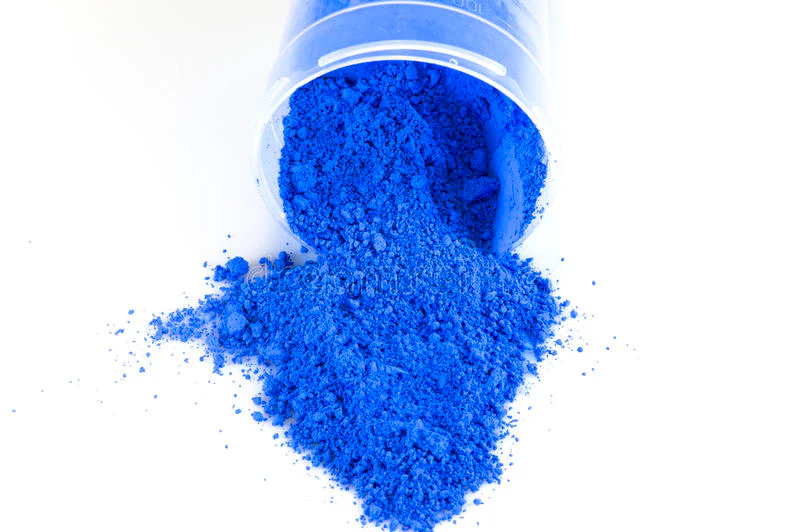
Why Is It Blue? The Science Behind the Color
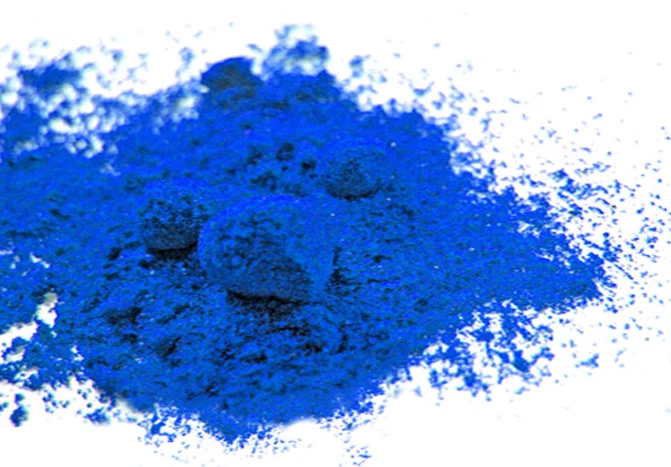
The characteristic sapphire-blue color of GHK-Cu solutions is not a dye; it’s the intrinsic color of the copper (II) ion when complexed with the GHK peptide. This color is a natural indicator of the presence of the active complex. A vibrant blue hue in a product often signifies a meaningful concentration of GHK-Cu, although the final shade can be affected by other ingredients in the formula.
How Does GHK-Cu Work? The Scientific Mechanism of Action
To say GHK-Cu “boosts collagen” is a vast oversimplification. It acts as a profound signaling molecule and gene modulator, fundamentally reprogramming cells to behave in a younger, healthier way. This is a key information gain over most explanations.
A Master Regulator: GHK-Cu’s Impact on Gene Expression
This is where GHK-Cu truly separates itself from other ingredients. Groundbreaking research, much of it led by Dr. Pickart, has shown that GHK-Cu can influence the expression of thousands of human genes—over 4,000, to be precise. It essentially “resets” the genetic activity of aged cells to a more youthful state. According to a 2018 study published in MDPI’s Cosmetics journal, GHK-Cu upregulates genes involved in antioxidant defense and tissue repair while downregulating pro-inflammatory genes. It’s not just patching a problem; it’s changing the cellular blueprint for the better.
The Architect of Youth: Stimulating Collagen, Elastin, and More
GHK-Cu orchestrates the rebuilding of the extracellular matrix (the “scaffolding” that gives skin its structure). It does this by:
- Stimulating Synthesis: It significantly boosts the production of not just collagen, but also elastin, proteoglycans, and glycosaminoglycans (like hyaluronic acid).
- Inhibiting Breakdown: It helps regulate matrix metalloproteinases (MMPs), the enzymes that degrade collagen and elastin. This two-pronged approach—building new structures while protecting existing ones—is the key to its skin-remodeling effect.
A Cellular Guardian: Antioxidant and Anti-inflammatory Pathways
GHK-Cu exerts powerful protective effects. It stimulates the expression of superoxide dismutase (SOD), a critical antioxidant enzyme that protects cells from oxidative damage. It also exhibits anti-inflammatory properties by reducing the levels of inflammatory cytokines like TGF-β and IL-6, which helps calm irritated skin and reduce redness.
Clinically-Backed Benefits of Copper Tripeptide for Skin and Hair
The molecular mechanisms of GHK-Cu translate into tangible, clinically observed benefits.
Remarkable Anti-Aging: Reducing Wrinkles and Improving Firmness
This is GHK-Cu’s most famous application. By rebuilding the dermal matrix, it leads to measurable improvements in skin density, elasticity, and firmness. Multiple studies have demonstrated its ability to reduce the appearance of fine lines and deep wrinkles, resulting in smoother, more youthful-looking skin.
Accelerated Wound Healing and Scar Reduction
As a natural component of the body’s repair system, GHK-Cu is exceptionally effective at promoting wound healing. It’s why it’s increasingly recommended for post-procedure care (after lasers, microneedling, or peels). It accelerates tissue regeneration, reduces inflammation, and can even help remodel scar tissue, making scars less visible over time.
Soothing Inflammation and Reducing Redness
Its anti-inflammatory action makes GHK-Cu beneficial for sensitive and reactive skin types. It can help calm redness associated with conditions like rosacea and general skin irritation, promoting a more even and balanced complexion.
A New Frontier: Promoting Hair Growth and Follicle Health
Emerging research is incredibly exciting. GHK-Cu appears to promote hair growth by enlarging the hair follicle, stimulating blood vessel formation around the follicle, and extending the anagen (growth) phase of the hair cycle. This makes it a promising ingredient in formulations aimed at addressing hair thinning and loss.
GHK-Cu vs. Other Skincare Powerhouses: A Comparative Analysis
How does GHK-Cu stack up against other A-list ingredients? Here’s a clear comparison, a crucial information gain for making informed decisions.
| Feature | GHK-Cu | Retinoids (e.g., Retinol) | Vitamin C (L-Ascorbic Acid) | Other Peptides (e.g., Matrixyl) |
|---|---|---|---|---|
| Primary Mechanism | Gene modulation, tissue remodeling, copper delivery | Increases cell turnover, collagen synthesis | Direct antioxidant, collagen cofactor, brightens | Signal cells to produce more collagen (more specific signals) |
| Key Benefit | Overall regeneration, healing, anti-aging | Powerful anti-aging, acne treatment | Potent protection, brightening, firming | Targeted wrinkle reduction |
| Gentleness | Very gentle, well-tolerated | Can be irritating, requires adaptation | Can be irritating at high concentrations, unstable | Generally gentle |
| Key Conflict | Strong acids (low pH), direct Vitamin C (L-AA) | Benzoyl peroxide, some acids (use with care) | Instability with many ingredients, pH sensitive | Fewer conflicts, but avoid strong acids |
How to Integrate GHK-Cu into Your Skincare Routine
Using GHK-Cu effectively requires a bit of knowledge.
Choosing a High-Quality GHK-Cu Product: A Checklist
- Color: Look for a distinct blue color. If it’s clear, it likely contains the GHK peptide without copper, or the concentration is negligible.
- Concentration: Effective products typically contain 1% to 3% of a GHK-Cu solution. Brands may list this as “Copper Tripeptide-1”.
- pH Level: GHK-Cu is most stable and effective in formulas with a pH between 5 and 7. Avoid products that combine it with very low-pH ingredients in the same bottle.
- Packaging: Opaque, air-tight packaging is best to protect the peptide from degradation by light and air.
Layering 101: Where Does It Fit in Your Routine?
Apply your GHK-Cu serum on clean, damp skin after cleansing and toning. It has a water-light texture, so it should be one of the first serums you apply. Follow up with other serums (like hyaluronic acid), moisturizer, and then sunscreen in the morning.
The Do’s and Don’ts: Potential Ingredient Conflicts
This is crucial for success. The main conflict for GHK-Cu is with ingredients that can break the delicate peptide-copper bond:
- Don’t Mix Directly With: Strong direct acids (like Glycolic or Lactic acid at high concentrations) and pure Vitamin C (L-Ascorbic Acid). The low pH can dissociate the copper from the peptide, rendering it ineffective.
- Do It This Way: If you want to use both, alternate them. Use Vitamin C in your morning routine and GHK-Cu in your evening routine, or use them on alternate nights. This separation is the safest way to get the benefits of both.
Safety, Side Effects, and Myths: Is Copper Tripeptide Safe?
Given that it contains a metal, safety is a valid question.
Addressing the Myth: Is Topical Copper Toxicity a Real Concern?
No. This is a persistent myth that needs debunking. The concentration of copper in GHK-Cu skincare products is extremely low. The peptide ensures the copper is delivered in a controlled, biologically friendly way. The Cosmetic Ingredient Review (CIR) has assessed copper peptides and found them safe for use in cosmetics. The amount of copper absorbed topically is minuscule and poses no risk of systemic toxicity.
Potential Side Effects and Who Should Be Cautious
GHK-Cu is remarkably well-tolerated by almost all skin types. Side effects are very rare. As with any new active ingredient, it’s wise to patch-test first, especially if you have extremely sensitive skin. There are no major contraindications, making it a suitable choice for most people seeking regenerative skin benefits.
Beyond the Bottle: Key Considerations for Cosmetic Formulators
For brands and formulators, working with GHK-Cu requires technical expertise to preserve its efficacy. This section provides high-value information often missing from consumer articles.
- Purity is Paramount: The efficacy of GHK-Cu is directly tied to its purity. Sourcing from a reputable supplier who provides a Certificate of Analysis (COA) with HPLC data showing high purity (e.g., >98%) is non-negotiable. Impurities can affect stability and performance.
- Optimal Concentration: While more might seem better, GHK-Cu has an optimal concentration range. Typically, a 1% to 3% concentration of a pre-dissolved GHK-Cu solution (which itself often contains 0.1% to 1% pure GHK-Cu) is used in final formulations for visible results without unnecessary cost.
- pH Stability: GHK-Cu is most stable in a pH range of 6.0 to 7.5. Formulating in a highly acidic environment (pH < 5) can cause the copper to detach from the peptide, destroying the complex and its biological activity.
- Compatibility: Avoid strong chelating agents in the formula, as they may compete for the copper ion. Careful selection of preservatives and gelling agents is also necessary to ensure long-term stability.
Frequently Asked Questions about GHK-Cu
What’s the difference between GHK and GHK-Cu?
GHK is the peptide (glycyl-histidyl-lysine). GHK-Cu is the complex formed when GHK binds with a copper ion. The GHK-Cu complex is responsible for the primary regenerative and signaling activities.
Can I use GHK-Cu with retinol?
Yes, they can be a powerful combination. A common approach is to apply GHK-Cu first, let it absorb, and then apply your retinoid product. Alternatively, use them on alternate nights.
How long does it take to see results?
While some soothing benefits can be immediate, structural improvements like wrinkle reduction and improved firmness typically take 4 to 12 weeks of consistent use as the skin cycle renews and collagen is rebuilt.
Is topical GHK-Cu safe during pregnancy?
While GHK-Cu is generally considered very safe, it is always recommended to consult with your doctor before introducing any new active ingredients during pregnancy or breastfeeding.
Why Partner with BSTBIO for Your High-Purity GHK-Cu Needs?
Understanding the profound science behind GHK-Cu is one thing; sourcing a consistently pure and effective version for your formulation is another. At BSTBIO, we bridge that gap. We specialize in the synthesis of high-purity cosmetic peptides, including GHK-Cu, ensuring every batch meets rigorous quality standards backed by verifiable data (like HPLC and MS). This commitment means you can formulate with confidence, knowing the GHK-Cu in your product is stable, potent, and ready to deliver its remarkable benefits. We are more than just a supplier; we are your dedicated partner in cosmetic innovation. Explore our technical specifications or request a sample to experience the BSTBIO difference, supported by a reliable supply chain and expert technical assistance.