
Feeling like your hormones are in a constant state of flux? Searching for a natural way to support your mood and find a sense of calm? You’re not alone. In the complex world of health and wellness, a powerful, science-backed nutrient has emerged as a versatile ally: inositol.
This guide is your definitive resource for understanding inositol powder in 2025. We’ll move beyond the surface-level definitions to give you a complete picture—not just what it is, but how it works, how to use it for optimal results, and even how to source high-purity material for your business. Whether you’re an individual seeking balance or a product developer pursuing quality, this is your starting point.
Part 1: Understanding Inositol – The Fundamentals
What Exactly Is Inositol Powder? (And What It’s Not)
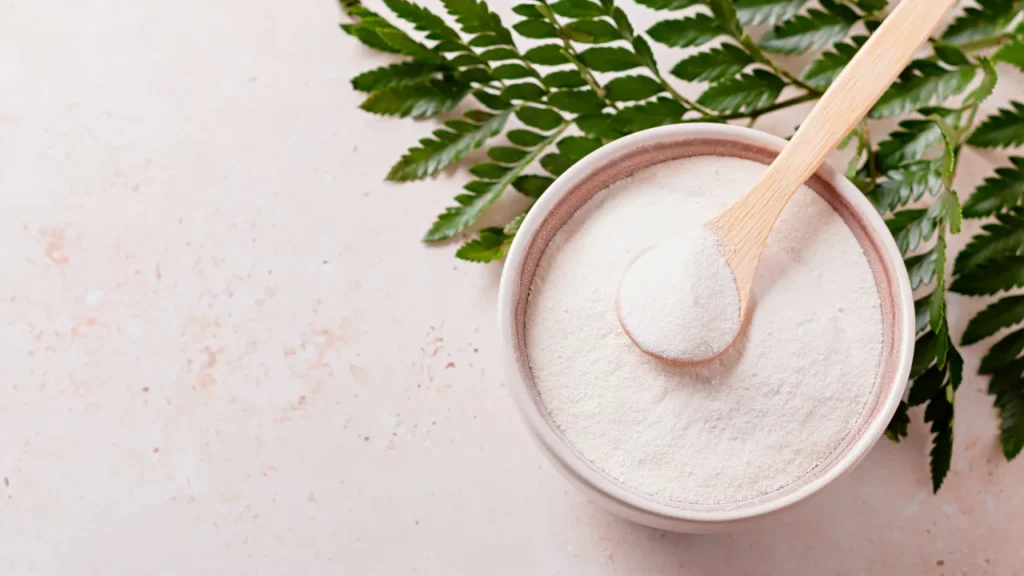
If you’ve researched natural supplements, you’ve likely encountered inositol, often mistakenly called ‘Vitamin B8.’ But what is this white, slightly sweet powder, really? The truth is more fascinating and foundational to how your body operates.
At its core, inositol is not a vitamin but a type of sugar alcohol—a carbocyclic polyol—that is structurally similar to glucose. Your body is a skilled chemist, capable of producing its own inositol from the carbohydrates you eat. This self-sufficiency is precisely why it was declassified from its honorary vitamin status; true vitamins are essential nutrients that your body cannot synthesize and must obtain from your diet.
The Inositol Family: Myo, D-Chiro, and Others
“Inositol” isn’t a single substance but a family of nine distinct isomers. Think of isomers as molecules with the same parts but assembled in a slightly different 3D shape, like nine keys cut from the same blank but with different patterns. In this family, one member reigns supreme in the human body: myo-inositol. It is the most abundant and biologically active form, playing a central role in the processes we’ll explore below. You will also often hear about D-chiro-inositol, another important isomer that works alongside myo-inositol in specific physiological ratios.
Debunking the Myth: Why It’s No Longer Called Vitamin B8
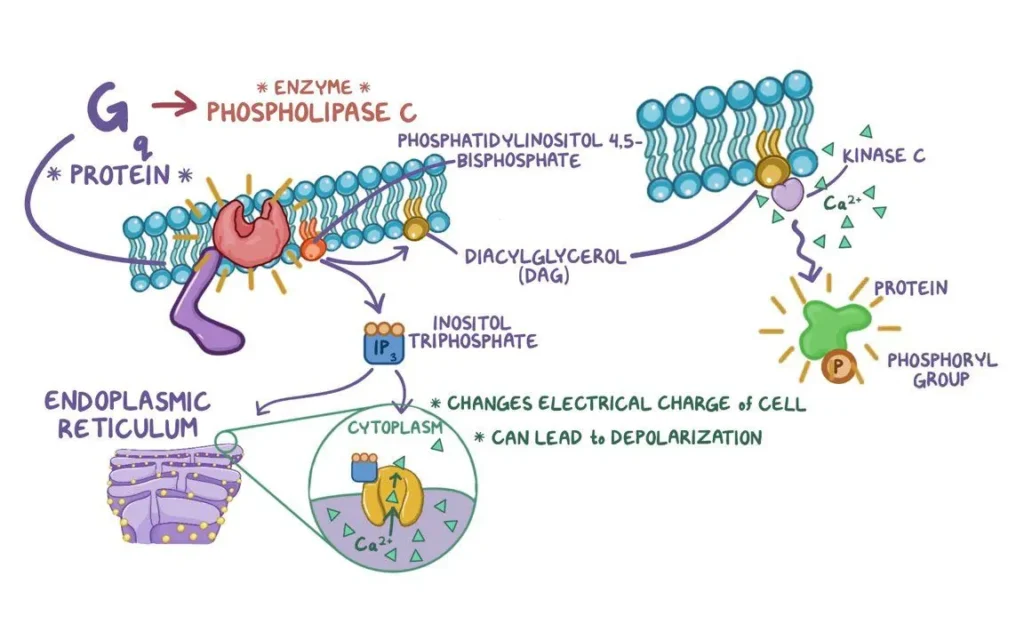
The “Vitamin B8” nickname is a relic of early nutrition science. A better way to understand its function is to think of it as a “second messenger.”
Imagine a hormone like insulin is a critical message that arrives at the outer wall of your cell. It can’t go inside itself. Inositol acts as the internal courier; it grabs the message at the cell wall and carries the instructions deep inside to the cell’s machinery. This signaling process is fundamental to how your body manages blood sugar, processes hormones, and regulates mood-influencing neurotransmitters like serotonin and dopamine.
How Does Inositol Work? A Simple Guide to the Science
Understanding inositol’s benefits begins with its role as a cellular communicator. It doesn’t act like a brute force, but with finesse, ensuring the right messages get delivered at the right time.
The Key Role: A “Secondary Messenger” for Your Cells
As a key component of cell membranes (as phosphatidylinositol), inositol is poised to act the moment a primary messenger (like a hormone) binds to a receptor. This triggers a cascade of events inside the cell, influencing everything from gene expression to energy utilization.
Impact on Insulin Signaling and Neurotransmitters
Two of the most well-researched areas of inositol’s action are:
- Insulin Signaling: Inositol is crucial for the function of insulin, the hormone that manages blood sugar. When insulin docks on a cell, inositol messengers signal the cell to absorb glucose from the blood for energy. When this system is inefficient—a condition known as insulin resistance—it can lead to a cascade of metabolic and hormonal issues.
- Neurotransmitter Modulation: In the brain, inositol is involved in the pathways for key “feel-good” neurotransmitters like serotonin and dopamine. By ensuring these signaling systems are functioning smoothly, inositol can have a profound impact on mood, anxiety, and the body’s stress response.
Part 2: The Science-Backed Health Benefits
Inositol’s role as a master signaling molecule translates into a wide array of health benefits, many of which are supported by robust clinical research.
Top 5 Benefits of Inositol Powder

Benefit 1: Hormonal Health and PCOS Management
This is perhaps the most well-known application of inositol. For women with Polycystic Ovary Syndrome (PCOS), a condition often characterized by insulin resistance and hormonal imbalance, inositol is a game-changer. A meta-analysis published in the Journal of Ovarian Research has repeatedly confirmed that myo-inositol, particularly in combination with D-chiro-inositol, can help restore menstrual regularity, improve ovulation, and reduce elevated androgen levels that cause symptoms like acne and hirsutism.

Benefit 2: Mood, Anxiety, and Panic Disorder Support
By modulating serotonin and dopamine pathways, inositol has shown significant promise in supporting mental wellness. Research, although older, has indicated that high doses of inositol may reduce the frequency and severity of panic attacks and can have a stabilizing effect on mood. It’s considered a gentle, natural approach for those seeking balance without the side effects of conventional medications.
Benefit 3: Metabolic Health (Insulin Resistance & Blood Sugar)
Because of its fundamental role in insulin signaling, inositol is a powerful tool for improving insulin sensitivity. This is not only crucial for PCOS but also for individuals with metabolic syndrome or those at risk for type 2 diabetes. By helping cells properly respond to insulin, inositol aids in maintaining stable blood sugar levels.
Benefit 4: Fertility and Egg Quality Improvement
For women trying to conceive, particularly those undergoing IVF treatments, inositol can be highly beneficial. It has been shown to improve oocyte (egg) quality and embryo development. This effect is closely linked to its ability to improve insulin sensitivity within the ovarian environment, creating a healthier setting for egg maturation.
Benefit 5: Brain Health and Sleep Quality
Inositol’s calming effect on the nervous system can also translate to better sleep. By supporting neurotransmitter balance, it can help quiet a racing mind and promote a more restful state, making it a popular non-melatonin alternative for sleep support.
Part 3: Your Practical User Manual
Knowing the benefits is one thing; using inositol effectively is another. This section provides a clear, actionable guide.
How to Take Inositol Powder for Optimal Results
Dosing Guidelines by Condition
Dosage can vary significantly based on the health goal. Always consult with a healthcare provider before starting any new supplement.
| Health Condition | Typical Daily Dosage (Myo-Inositol) | Notes |
|---|---|---|
| PCOS & Hormonal Health | 2,000 – 4,000 mg (2-4 grams) | Often split into two doses. |
| Anxiety & Mood Support | 6,000 – 18,000 mg (6-18 grams) | Higher doses are used in clinical studies. Start low. |
| Insulin Sensitivity | 2,000 – 4,000 mg (2-4 grams) | Best taken before meals. |
| General Wellness | 1,000 – 2,000 mg (1-2 grams) | A good maintenance dose. |

When to Take It: Morning vs. Night, With or Without Food
For metabolic benefits, taking inositol 20-30 minutes before a meal can be effective. For mood and sleep, the timing is more flexible. Many people prefer splitting the dose (e.g., morning and evening) to maintain stable levels throughout the day. It can be taken with or without food, but taking it on an empty stomach may lead to faster absorption.
The Art of Mixing: Taste, Solubility, and Recipes
One of the biggest advantages of inositol powder is its versatility. It has a mildly sweet taste, making it easy to incorporate into your routine.
- Solubility Tip: Inositol dissolves best in room temperature or warm water. If you find it clumps in cold water, mix it into a small amount of warm water first to create a slurry, then add it to your cold beverage.
- Favorite Mixes: It’s virtually tasteless in coffee, tea, smoothies, or even a glass of plain water. Unlike other supplements, it won’t ruin the taste of your favorite drink.
Potential Side Effects and Safety Profile
Inositol is exceptionally well-tolerated. It’s a natural substance found in foods and made by your body.
Common and Mild Side Effects (and How to Avoid Them)
The only side effects of note occur at very high doses (typically above 12 grams per day) and are gastrointestinal in nature: mild gas, bloating, or diarrhea. These can almost always be resolved by splitting the dose throughout the day or slightly reducing the amount taken.
Who Should Be Cautious or Avoid Inositol?
While generally safe, individuals with bipolar disorder should consult their doctor before taking inositol, as it could potentially trigger manic episodes in rare cases. As with any supplement, pregnant or breastfeeding women should seek medical advice before use.
Part 4: The Smart Buyer’s Decision Hub
Choosing the right supplement is critical for achieving results. Here’s what you need to know to make an informed decision.
How to Choose the Right Supplement: A Complete Guide
Powder vs. Capsules: A Quantitative Cost-Benefit Analysis
This is a common dilemma, but when you look at the numbers, the choice becomes clear, especially for therapeutic doses.
Let’s do the math for a standard 4-gram (4,000 mg) daily dose for PCOS:
| Metric | Inositol Capsules | Inositol Powder | The Verdict |
|---|---|---|---|
| Typical Product | 120 capsules @ 500mg/cap | 250g (250,000mg) tub | |
| Total Servings | 15 servings (at 8 caps/day) | 62.5 servings (at 4g/day) | Powder offers 4x more servings |
| Typical Price | ~$20.00 | ~$25.00 | |
| Cost per Gram | ~$0.33 per gram | **~$0.10 per gram** | Powder is over 3x cheaper |
| Cost per Day | ~$1.32 per day | **~$0.40 per day** | Massive long-term savings |
Conclusion: For anyone needing a therapeutic dose of 2 grams or more per day, powder is overwhelmingly superior in terms of cost-effectiveness, dosage flexibility, and purity (fewer fillers).
The 40:1 Ratio (Myo- to D-Chiro): Why It Matters for PCOS
In the body, myo-inositol is converted into D-chiro-inositol. For women with PCOS, this conversion process can be impaired. Supplementing with a 40:1 ratio of myo- to D-chiro-inositol mimics the body’s natural plasma ratio and has been shown in studies to be particularly effective for restoring ovulation and improving metabolic parameters.
Inositol vs. Other Natural Supplements (like Berberine)
Both inositol and berberine are excellent natural insulin sensitizers, but they work differently.
- Inositol: Works downstream by improving the cell’s response to insulin (the second messenger system). It’s generally gentler with fewer side effects.
- Berberine: Works upstream by activating an enzyme called AMPK, similar to the drug metformin. It can be more potent but may also have more gastrointestinal side effects. For many, inositol is the preferred starting point due to its gentleness and foundational role in cell signaling.
Reading the Label: Purity, Fillers, and Third-Party Testing
A quality product should be simple. Look for a label that says “Myo-Inositol” or “Inositol” and specifies at least 99% purity. It should contain no fillers, binders, or artificial ingredients. Third-party testing provides an extra layer of assurance that the product is free from contaminants like heavy metals.
For example, a professional-grade raw material will have a clear specification sheet you can review. You can see a reference example of a Myo-Inositol 99% powder specification sheet to understand what a high-quality ingredient profile looks like.
Part 5: Advanced Knowledge for Professionals
This section is for health practitioners, formulators, and B2B buyers who require a deeper level of technical understanding.
For Health Practitioners: Advanced Protocols & Stacking
Synergistic Stacking: Combining Inositol with NAC, Berberine, etc.
Inositol works exceptionally well in combination with other supplements.
- With NAC (N-Acetyl Cysteine): For fertility and PCOS, combining inositol with NAC can offer enhanced antioxidant support and further improve insulin sensitivity.
- With Berberine: For significant insulin resistance, a combination of inositol and berberine can be a powerful dual-action approach, addressing the signaling pathway from two different angles.
- With Omega-3s: To manage inflammation, which is common in metabolic and hormonal disorders, adding a quality fish oil can provide a comprehensive foundation.
Discussing Inositol vs. Metformin with Clients
When discussing options for insulin resistance, it’s helpful to frame the comparison objectively. Metformin is a powerful, effective prescription drug. Inositol is a nutritional supplement that works on a different, more foundational cellular pathway. For many clients, inositol offers a gentler starting point with a very favorable side-effect profile and can be used as a standalone or complementary therapy under medical supervision.
For B2B Buyers: A Guide to Sourcing High-Purity Inositol
For businesses, sourcing raw materials is the most critical step. Quality, consistency, and a reliable supply chain are paramount.
Key Quality Markers: Beyond the “99% Purity” Claim
While 99% purity is the headline spec, professional buyers need to dig deeper. Key markers include:
- Mesh Size: Affects solubility and handling in manufacturing.
- Heavy Metal Content: Must be below USP/EP limits (e.g., <10 ppm).
- Microbiological Purity: Total plate count, yeast, mold, and absence of pathogens like E. coli.
- Residual Solvents: Must meet safety standards.
How to Read a Certificate of Analysis (COA) – A Step-by-Step Breakdown
A COA is a supplier’s promise of quality. Don’t just file it away—scrutinize it.
- Header: Check the product name, lot number, and date of manufacture. Ensure it matches your order.
- Physical Properties: Look at appearance (should be a white crystalline powder) and solubility.
- Assay (Purity): This is the key test, typically done by HPLC. It should confirm the purity is ≥99.0%.
- Contaminant Analysis: This section lists the results for heavy metals, lead, arsenic, and microbial tests. Verify that the results are “Pass” or well within the specified limits.
A transparent and reliable supplier should provide a comprehensive COA for every batch without hesitation.
Questions to Ask Your Potential Supplier (A Checklist)
✅ Do you provide a batch-specific COA with every shipment?
✅ Are you cGMP (Current Good Manufacturing Practice) compliant?
✅ Can you provide documentation regarding your allergen control and testing procedures?
✅ What is your lead time and minimum order quantity (MOQ)?
✅ Can we request a sample for formulation testing?
Ready to Source a Reliable, High-Purity Inositol Ingredient?
At BSTextract, we understand the critical importance of supply chain stability and impeccable quality. We provide cGMP-compliant, third-party tested Myo-Inositol 99% powder designed for professional formulations.
View Technical Specifications →
Part 6: Conclusion and Final Resources
Conclusion: Key Takeaways and Your Next Steps
Inositol is far more than just a supplement; it’s a fundamental building block of cellular communication. From restoring hormonal harmony in PCOS to calming an anxious mind and improving metabolic health, its benefits are vast and backed by science.
- For Individuals: If you’re struggling with issues related to hormonal, metabolic, or mood balance, inositol powder offers a safe, effective, and affordable natural option worth discussing with your healthcare provider.
- For Professionals: Understanding inositol’s mechanisms and quality benchmarks is key to delivering results for your clients and creating best-in-class products.
If you have determined that high-purity inositol powder is the right choice for your health needs or product formulation, we invite you to learn more about our Myo-Inositol 99% Powder and our unwavering commitment to quality and transparency.
Frequently Asked Questions (FAQ)
1. Is inositol a type of B vitamin?
It was once called Vitamin B8, but because the body can produce it, it’s no longer classified as a true vitamin. It’s a vitamin-like compound.
2. What’s the difference between myo-inositol and D-chiro-inositol?
Myo-inositol is the most common form in the body. D-chiro is a less common isomer that myo- is converted into. For PCOS, a 40:1 ratio of myo- to D-chiro- is often recommended.
3. How long does it take for inositol to work?
It varies. For metabolic and hormonal benefits like improved cycle regularity, it can take 3-6 months of consistent use. For mood benefits, some people notice effects within a few weeks.
4. Can I take inositol powder with coffee?
Yes, absolutely. Its mild sweetness can even complement the taste. It mixes well in coffee, tea, smoothies, and water.
5. Should I choose inositol powder or capsules?
For therapeutic doses (2 grams or more), powder is far more cost-effective and involves fewer fillers. Capsules are more convenient for travel or very small doses.
References
- Greff, D., et al. (2023). The Effect of Myo-Inositol on Metabolic Features and Hormone Levels in Women with Polycystic Ovary Syndrome: A Meta-Analysis of Randomized Controlled Trials. Nutrients, 15(6), 1456.
- Formoso, G., et al. (2019). The 40:1 myo-inositol/D-chiro-inositol plasma ratio is able to restore ovulation in PCOS patients: comparison with other ratios. European review for medical and pharmacological sciences, 23(12), 5512–5521.
- Mukai, T., et al. (2014). A meta-analysis of inositol for depression and anxiety disorders. Human Psychopharmacology: Clinical and Experimental, 29(1), 55-63.
- Benjamin, J., et al. (1995). Double-blind, placebo-controlled, crossover trial of inositol treatment for panic disorder. The American journal of psychiatry, 152(7), 1084–1086.
- Zheng, X., et al. (2017). Inositol supplement improves clinical pregnancy rate in infertile women undergoing ovulation induction for ICSI or IVF-ET. Medicine, 96(49), e8842.
- Facco, E., et al. (2014). Inositol versus metformin in PCOS: a new option for the treatment of insulin resistance. Diabetology & metabolic syndrome, 6(1), 22.
FDA Disclaimer: These statements have not been evaluated by the Food and Drug Administration. This product is not intended to diagnose, treat
 English
  French
  German
  Italian
  Japanese
  Korean
  Russian
  Spanish
  Portuguese