
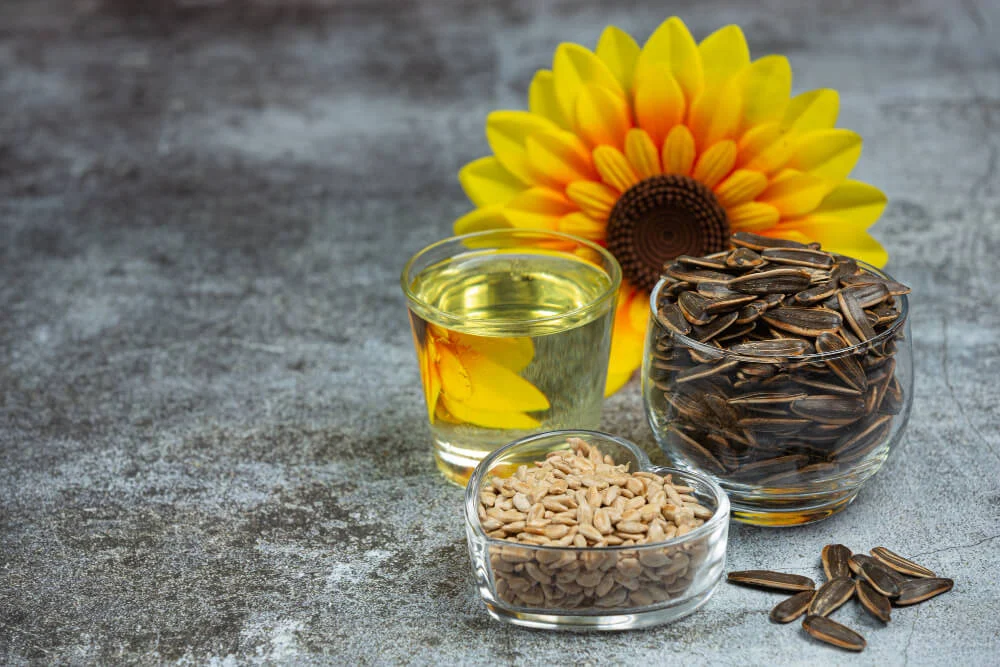
When you pick up a high-performance supplement or a premium chocolate bar in 2026, you likely see sunflower lecithin listed where soy lecithin once dominated. This isn’t a random trend; it is a fundamental shift in how we value ingredient purity and supply chain ethics. While both substances are phospholipids—essential fats that keep mixtures stable—the market has split.
In 2026, the “Clean Label” movement has evolved into a global standard. It is no longer enough for an ingredient to be functional; you now demand to know if it was extracted with harsh chemicals or if it carries the baggage of large-scale GMO monocultures. Recent market data shows sunflower lecithin outperforming soy with a 12.32% annual growth rate, primarily because it aligns with a transparent, non-GMO lifestyle. Whether you are a formulator looking for a stable emulsifier or a health-conscious consumer, understanding the nuance between these two sources is the key to optimizing both your product’s performance and your body’s health.
The 2026 Lecithin Shift
Lecithin is no longer just a “background” ingredient. In 2026, consumers scrutinize the origin and processing as much as the function. The premium for sunflower lecithin is now tied directly to supply chain transparency. Modern procurement strategies show that “soy-free” is no longer a niche allergy requirement but a mainstream preference for clean, non-solvent-based ingredients.
Hexane vs. Cold-Press Extraction
The most significant difference between soy and sunflower lecithin isn’t actually the plant itself—it’s how the lecithin is pulled from the seed. To understand why you might pay a premium for one over the other, you must understand the “refining cost.”
The Reality of Soy Lecithin Refining
If you are using soy lecithin, you are likely consuming a byproduct of a heavy industrial process. To extract oil from soybeans at scale, manufacturers typically use Hexane, a chemical solvent derived from crude oil. While the FDA and EFSA maintain that residue levels are within “safe” limits (usually under 10 ppm), the 2026 consumer is increasingly wary of any solvent-based processing.
Furthermore, the high-heat refining required to remove the hexane can degrade the delicate phospholipids. This process, known as “chemical degumming,” often strips away secondary nutrients and alters the natural color and odor of the lecithin.

The Sunflower Cold-Press Advantage
In contrast, sunflower lecithin is largely prized for its mechanical extraction. You can obtain it through cold-pressing, a physical squeezing of the seeds that requires no chemical solvents.
- Purity: Cold-pressing preserves the natural profile of the fats. There is no risk of solvent carryover into your final product.
- Antioxidant Retention: Laboratory tests in 2026 confirm that cold-pressed sunflower lecithin retains up to 15% more natural Vitamin E (alpha-tocopherol) compared to its soy counterpart. Soy lecithin loses these antioxidants during the chemical degumming and bleaching phases.
When you choose cold-pressed sunflower, you aren’t just avoiding chemicals; you are choosing a “living” ingredient that maintains its structural integrity.
Nutritional Comparison: PC, PI, and Fatty Acids
When you look past the marketing, the true value of lecithin lies in its phospholipid profile. For years, soy was considered the undisputed king of Phosphatidylcholine (PC), the primary building block for your brain’s neurotransmitters. However, as of 2026, specialized sunflower cultivars have closed the gap through advanced agricultural selection.
Phospholipid Breakdown
A 2026 comparative analysis from the Journal of the American Oil Chemists’ Society (JAOCS) highlights the subtle but critical differences in composition:
| Nutrient Component | Soy Lecithin (Standard Refined) | Sunflower Lecithin (High-Oleic/Cold-Pressed) |
|---|---|---|
| Phosphatidylcholine (PC) | 19% – 21% | 23% – 25% |
| Phosphatidylinositol (PI) | 12% – 15% | 18% – 20% |
| Phosphatidylethanolamine (PE) | 10% – 12% | 11% – 13% |
| Omega-6 Fatty Acids | High (~55%) | Lower (~20%) |
| Oleic Acid (Omega-9) | Low (~20%) | High (~65%) |
| Hexane Residues | < 10 ppm (Typical) | 0 ppm (Detected) |
Impact on Metabolism and Cognitive Health
If you are focusing on cognitive performance, you should note that sunflower lecithin often boasts a higher concentration of Phosphatidylinositol (PI). PI plays a crucial role in cell signaling and nerve guidance.
Furthermore, the fatty acid profile of sunflower is significantly more “pro-metabolic.” While soy lecithin is dominant in Omega-6 (which can be pro-inflammatory in excess), high-oleic sunflower lecithin provides a stable base of monounsaturated fats. This makes it more resistant to oxidation, ensuring that the nutrients actually reach your cells intact rather than turning rancid on the shelf.

Health Impacts: Hormones, Allergies, and Lactation
You have likely heard the warnings: “Avoid soy if you want to protect your hormones.” In 2026, we have the clinical data to separate fact from fiction.
The Truth About Phytoestrogens
The reality is that phytoestrogens (isoflavones) are bound to the protein of the soybean. Since lecithin is a fat (lipid) extract, the amount of estrogen-mimicking compounds left in a standard dose is scientifically negligible. However, if you are managing a sensitive thyroid condition or an autoimmune flare-up, even trace amounts can trigger a “nocebo” effect or subtle immune responses.
Hypoallergenic Gold Standard
This is where sunflower lecithin becomes your “safety net.”
- Zero Allergen Risk: Soy is one of the “Big 8” allergens. Sunflower is not. This makes it the only viable choice for schools, hospitals, and allergy-safe households.
- Breastfeeding Preference: If you are using lecithin to prevent clogged milk ducts, lactation consultants in 2026 almost exclusively recommend sunflower. Its unique ability to reduce the “stickiness” of milk by increasing polyunsaturated fatty acids is highly effective, without the potential for soy-related colic in infants.
According to research indexed on PubMed, the high linoleic and oleic acid content in sunflower lecithin modifies the viscosity of breast milk more predictably than soy.
Technical Performance: Emulsification and Liposomes
In the laboratory, the choice between soy and sunflower isn’t about ethics—it’s about molecular physics. If you are a formulator, you must consider the Hydrophilic-Lipophilic Balance (HLB).
HLB and Stability Analysis
Soy lecithin typically sits at an HLB of 4 to 5, making it an “oil-loving” emulsifier. It is perfect for chocolate and confectionery where you need to manage the flow of fats and prevent the cocoa butter from separating.
However, 2026 technical assessments show that sunflower lecithin often reaches an HLB of 7. This slightly higher value means sunflower is naturally more effective for water-in-fat (W/O) emulsions, such as high-end plant-based spreads or margarines. It keeps water droplets more securely suspended in the lipid phase, resulting in a smoother mouthfeel and better stability.
Liposomal Encapsulation Efficiency
When it comes to Liposomal Technology—the gold standard for 2026 supplement absorption—the competition is fierce.
- Soy Lecithin: Historically the favorite for high-volume pharmaceutical liposomes because its saturated fat profile makes the “bubbles” (vesicles) very stable for long-term shipping.
- Sunflower Lecithin: Now preferred for Liposomal Vitamin C, Glutathione, and Curcumin because it allows for a “Cold-Processed” and “Non-GMO” claim. Recent 2026 studies indicate that sunflower-based liposomes achieve a 90%+ encapsulation efficiency, matching soy while offering a superior, non-chemical narrative for premium brands.
Economics and Supply Chains
In 2026, your procurement strategy is as important as your health strategy. You will find that sunflower lecithin still carries a 20% to 40% price premium over soy.
Global Sourcing Dynamics
Most of the world’s sunflower lecithin originates in the Black Sea region. After years of volatility, 2026 has seen a stabilized but still fragile supply chain. Soy, by contrast, is a global commodity giant backed by massive infrastructure in Brazil and the United States. If you are prioritizing cost and volume, soy remains unbeatable.
Detection of Adulteration
Because of the price gap, 2026 has seen a rise in “lecithin blending.” High-purity sunflower lecithin is sometimes adulterated with cheaper soy oil or rapeseed oil. As a savvy buyer, you must demand 31P NMR Spectroscopy testing in your COA (Certificate of Analysis). This is the only way to ensure the phosphatidylcholine ratios match a pure sunflower source.
Practical Application Guide
Home Use and DIY
- Soy Lecithin: Best for bread baking. It interacts with wheat proteins to create a softer crumb and a longer shelf life.
- Sunflower Lecithin: Best for smoothies or “bulletproof” coffee. It blends instantly and has a more neutral, nutty flavor compared to the slightly “beany” aftertaste of soy.
Targeted Health Benefits
If you are taking lecithin for liver health (fatty liver) or brain fog, sunflower is your best bet in 2026. The absence of hexane residues ensures that your detox organs are not being burdened by the very chemicals you are trying to avoid.
Final Decision Guide
In 2026, the “Soy vs. Sunflower” debate is no longer just about allergies. It is a choice between industrial efficiency (Soy) and artisanal purity (Sunflower).
- Choose Soy Lecithin if: You produce high-volume commercial goods, need the lowest possible price, or require specific “oil-loving” emulsification for chocolate.
- Choose Sunflower Lecithin if: You focus on “Clean Label” products, have soy allergies, are breastfeeding, manage hormonal sensitivities, or formulate premium supplements where biological activity and chemical-free processing are top priorities.
FAQ
Can I replace soy lecithin with sunflower lecithin 1:1 in my recipes?
Generally, yes. However, since sunflower lecithin has a slightly higher HLB, you may find that water-heavy mixtures (like homemade dressings) stabilize faster. For home baking, the difference is negligible.
Does soy lecithin affect thyroid medication?
While the fat in lecithin contains very little protein, some clinical experts suggest soy can still interfere with the absorption of certain medications. If you have a sensitive thyroid, the non-GMO, protein-free profile of sunflower lecithin is the safer, stress-free choice.
Is “Organic” soy lecithin better than “Natural” sunflower lecithin?
Not necessarily. “Organic” soy is still often extracted with approved chemical solvents. A “Cold-Pressed” sunflower lecithin is often considered “cleaner” in terms of processing residue than a solvent-extracted organic soy product.
Which lecithin is best for brain health?
Both provide choline. However, sunflower lecithin’s higher Phosphatidylinositol (PI) content and lack of hexane residues make it the preferred choice for high-end “nootropic” stacks used by biohackers in 2026.
How do I store my lecithin to prevent oxidation?
Keep it in a cool, dark place. Because sunflower lecithin is high in monounsaturated fats, it is more stable than soy, but both will benefit from being kept in airtight containers away from direct sunlight.
 English
  French
  German
  Italian
  Japanese
  Korean
  Russian
  Spanish
  Portuguese