
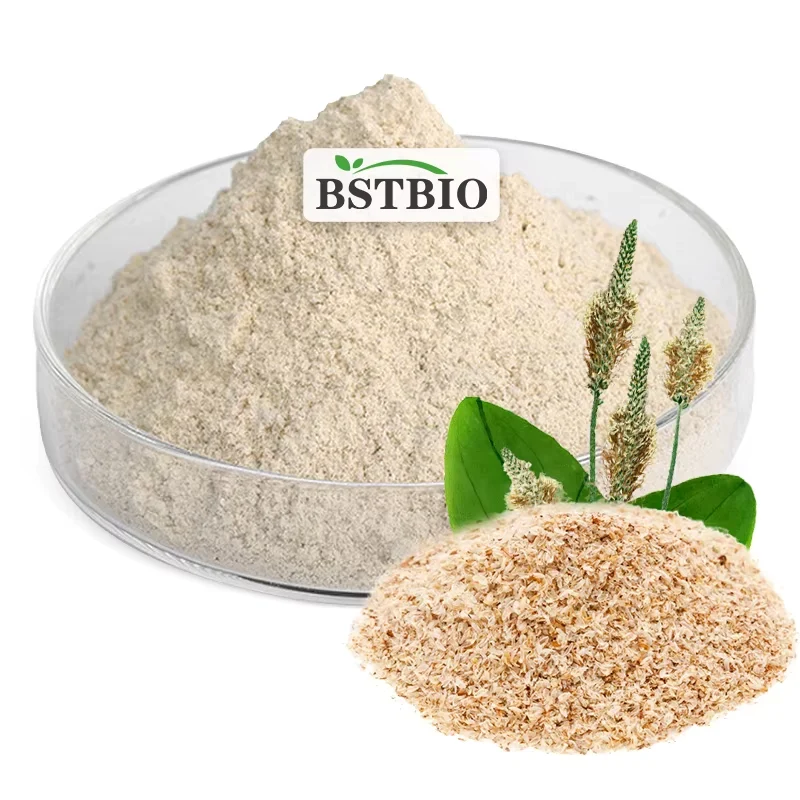
Whether you are struggling with frustrating daily digestive issues, looking for science-backed ways to lower your cholesterol naturally, or simply trying to bake the perfect keto bread that doesn’t instantly crumble into pieces, there is one humble pantry staple that can solve all three: psyllium husk powder.
Unlike trendy, overpriced superfoods that come and go, this powerful soluble fiber has been quietly recommended by gastroenterologists and seasoned gluten-free bakers for decades. It is incredibly effective, but it is also widely misunderstood. What exactly makes it work like magic in both your gut and your oven? And more importantly, how do you use it correctly without experiencing the dreaded bloating or gastrointestinal discomfort?
In this ultimate guide, we will break down everything you need to know about psyllium husk powder, from its incredible health benefits to the exact dosage rules and baking secrets you need to succeed.
💡 Key Takeaways
- The Ultimate Soluble Fiber: Psyllium husk powder acts like a sponge in your digestive tract, naturally relieving both constipation and mild diarrhea by regulating bowel movements.
- A Keto Baking Essential: It perfectly mimics the binding properties of gluten, giving low-carb and gluten-free baked goods their necessary structure and chewiness.
- Heart & Metabolic Health: Regular consumption can help lower LDL (bad) cholesterol and manage post-meal blood sugar spikes.
- Hydration is Non-Negotiable: You must consume this powder with at least 8 ounces (250ml) of liquid to prevent choking and dangerous intestinal blockages.
Disclaimer:The information provided in this article is for educational and informational purposes only and is not intended as medical advice. Always consult with a qualified healthcare professional before adding new dietary supplements to your routine.
What is Psyllium Husk Powder?
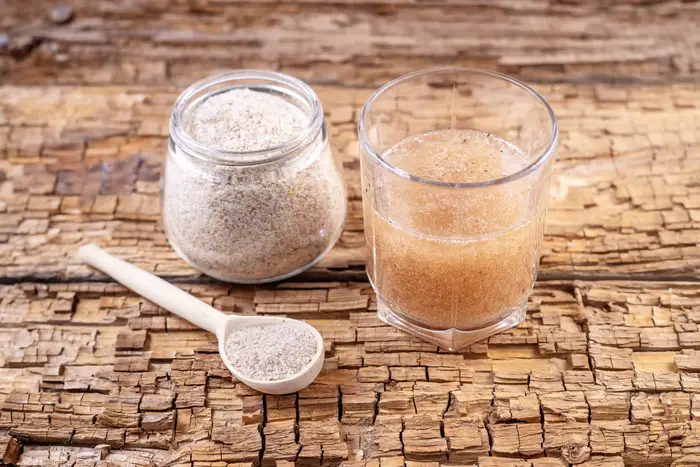
Before we dive into the benefits, we need to understand exactly what we are dealing with. Psyllium is a type of fiber derived from the husks of the seeds of the Plantago ovata plant, an herb primarily grown in India.
While you can buy it in its whole, coarse form (whole psyllium husks), psyllium husk powder is created by finely grinding those husks down. This finely milled texture makes it much easier to mix into liquids and baked goods.
The true magic of psyllium lies in its physical properties. It is a powerhouse of soluble fiber. To understand how it works, you need to understand the “Sponge Effect”.
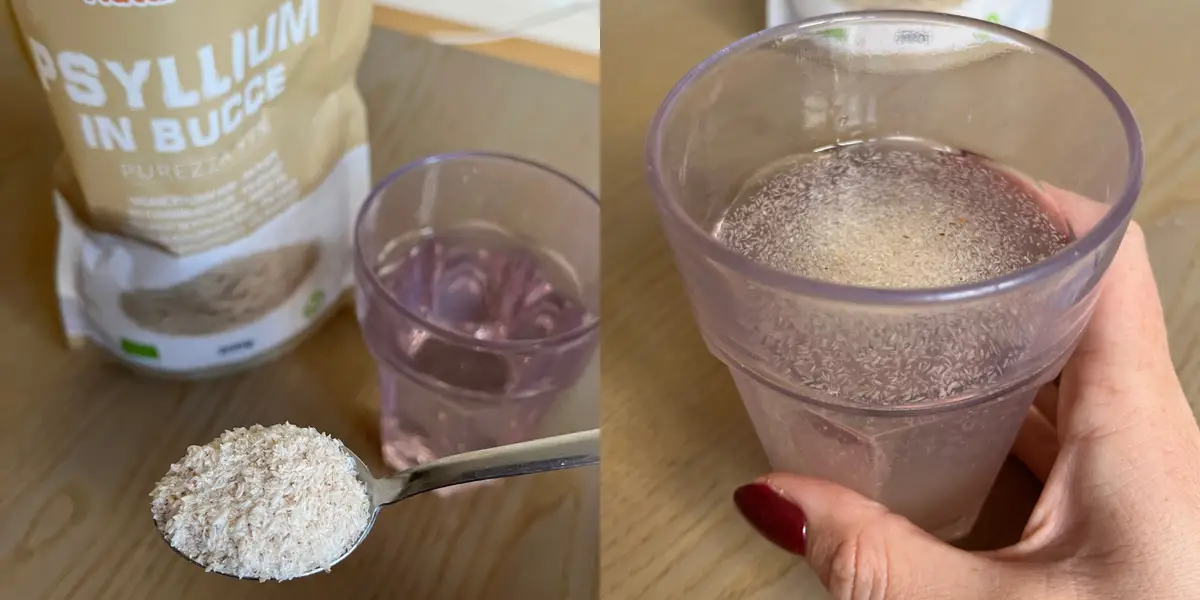
When psyllium husk powder comes into contact with water (or any liquid), it doesn’t just dissolve. Instead, it absorbs the liquid and rapidly swells up to 50 times its original size, transforming into a thick, viscous, gel-like substance. This remarkable gel is the secret behind its effectiveness in both regulating your digestive system and binding your keto bread together.
Top Health Benefits of Psyllium Husk
Because of its unique ability to form a gel in your digestive tract, psyllium offers a wide array of science-backed health benefits. Here is what it can do for your body:
Relieves Constipation and Improves Gut Health
Many people assume that fiber only speeds things up, but psyllium is uniquely beneficial because it acts as a gentle, two-way regulator for your bowels.
- For Constipation: The gel-like mass softens the stool and increases its bulk, making it much easier to pass without the harsh cramping caused by chemical stimulant laxatives.
- For Diarrhea (and mild IBS): Conversely, if your system is moving too fast, the “sponge effect” comes to the rescue by soaking up excess water in your digestive tract, helping to firm up loose stools.
Lowers Cholesterol and Supports Heart Health
Psyllium husk is one of the few natural supplements that the FDA allows to carry a health claim regarding heart disease. But how does a fiber powder lower your cholesterol?
When the viscous gel travels through your digestive system, it binds to bile acids (which are made from cholesterol). Because the gel cannot be absorbed, it is excreted from your body, taking the bile acids with it. To replace these lost bile acids, your liver has to pull cholesterol directly from your bloodstream, effectively lowering your LDL (bad) cholesterol levels.
Helps Control Blood Sugar Levels
If you struggle with energy crashes after eating carbs, psyllium can be a game-changer. When you consume this soluble fiber with a meal, the thick gel slows down the entire digestive process. This means carbohydrates are broken down and absorbed into your bloodstream at a much slower, steadier rate, preventing extreme blood sugar spikes and subsequent crashes.
Weight Loss & Satiety: Is it “Nature’s Ozempic”?
Recently, social media platforms like TikTok have dubbed psyllium husk powder as “Nature’s Ozempic.” While it can certainly aid in weight loss, it is important to be realistic.
Unlike prescription GLP-1 medications that alter your body’s hormones, psyllium works through pure physics. Because the gel expands and takes up significant physical space in your stomach, it triggers stretch receptors that send signals to your brain telling you that you are full. This profound sense of satiety can help you naturally reduce your caloric intake, control cravings, and avoid mindless snacking between meals.
The Magic of Psyllium Husk in Keto & Gluten-Free Baking
If you have ever tried baking a loaf of low-carb bread or a keto pizza crust using just almond flour or coconut flour, you know the heartbreak of taking a beautiful loaf out of the oven, only to have it crumble into sand the moment you slice it.
Medical websites often overlook this, but psyllium husk powder is the ultimate secret weapon in the gluten-free and keto baking communities. Here is why it is considered a mandatory pantry staple for low-carb bakers:
Why Bakers Love It: The Ultimate Gluten Substitute
Traditional wheat flour relies on a protein called gluten to give baked goods their elasticity, structure, and that satisfying, chewy texture. Almond flour and coconut flour are completely gluten-free, which means they have zero binding power on their own.
Enter the psyllium “sponge effect.” When you add psyllium husk powder and warm water to your low-carb flours, it creates that thick, sticky gel we talked about earlier. In baking, this gel perfectly mimics the structural role of gluten. It binds the ingredients together, traps air bubbles produced by baking powder or yeast, and allows your dough to rise and become beautifully pliable.
Powder vs. Whole Husk in Recipes: The Conversion Rule
One of the most common mistakes beginners make is ignoring the specific form of psyllium called for in a recipe. Using powder when a recipe calls for whole husks will result in a dense, heavy, and wet brick of bread. Because the powder is so concentrated, it absorbs liquid much faster and more aggressively.
If you need to make a substitution, use this general rule of thumb:
- 1 Tablespoon of Whole Psyllium Husk = 1 Teaspoon of Psyllium Husk Powder (A 3:1 ratio)
Troubleshooting: Why Did My Low-Carb Bread Turn Purple?
If you are new to keto baking, cutting into your freshly baked bread only to find that the inside has turned a vibrant, alien shade of purple or grayish-blue can be terrifying. Don’t panic—it is completely safe to eat and has absolutely nothing to do with mold!
The Science Behind the Purple Hue: This bizarre color change is simply a harmless chemical reaction. Certain brands of psyllium husk are grown in mineral-rich soils. When those trace minerals interact with the alkaline ingredients in your recipe (like baking soda or baking powder) and are exposed to the high heat of your oven, the psyllium oxidizes and turns purple.
How to Prevent It:
- Add an Acid: Try adding 1 to 2 tablespoons of lemon juice or apple cider vinegar to your wet ingredients. The acid neutralizes the alkaline reaction and usually keeps the bread looking beautifully golden.
- Switch Brands: Some brands are more prone to this reaction than others. Look for “blond” psyllium husk powder or read reviews to see if other bakers have experienced the purple effect with that specific brand.
How to Take Psyllium Husk: Dosage & Best Practices
If you are ready to add this powerful soluble fiber to your daily routine, it is crucial to do it correctly. Because psyllium husk powder is so highly concentrated, throwing a massive scoop into your water glass on day one is a recipe for digestive disaster.
Recommended Dosage by Goal
When it comes to introducing fiber to your body, always remember the golden rule: Start small and go slow. This gives your gut microbiome time to adjust.
- For General Health & Regularity: Start with 1/2 teaspoon mixed into a full glass of water once a day. After a week, you can gradually increase to 1 teaspoon, 1 to 2 times daily.
- For Constipation Relief: Take 1 teaspoon in a full glass of water, up to 3 times a day, until your symptoms naturally resolve.
- For Cholesterol & Blood Sugar Management: Take 1 teaspoon in a full glass of water about 15 to 30 minutes before your heaviest meals (up to 3 times daily) to maximize the “sponge effect” before digestion begins.
Pure Psyllium Husk Powder vs. Metamucil
You might be wondering: “Can’t I just buy a tub of Metamucil at the pharmacy?” While Metamucil does use psyllium husk as its primary active ingredient, many commercial fiber supplements are packed with unnecessary fillers. They often contain artificial orange flavors, food dyes (like Yellow 6), and either high amounts of added sugar or artificial sweeteners like aspartame.
Opting for 100% pure organic psyllium husk powder is not only much more cost-effective in the long run, but it also ensures you are getting the pure health benefits without drinking a chemical cocktail.
How to Mix Without Clumping
Because the finely milled powder absorbs liquid instantly, it has a notorious tendency to clump into unappetizing, dry lumps if not mixed properly.
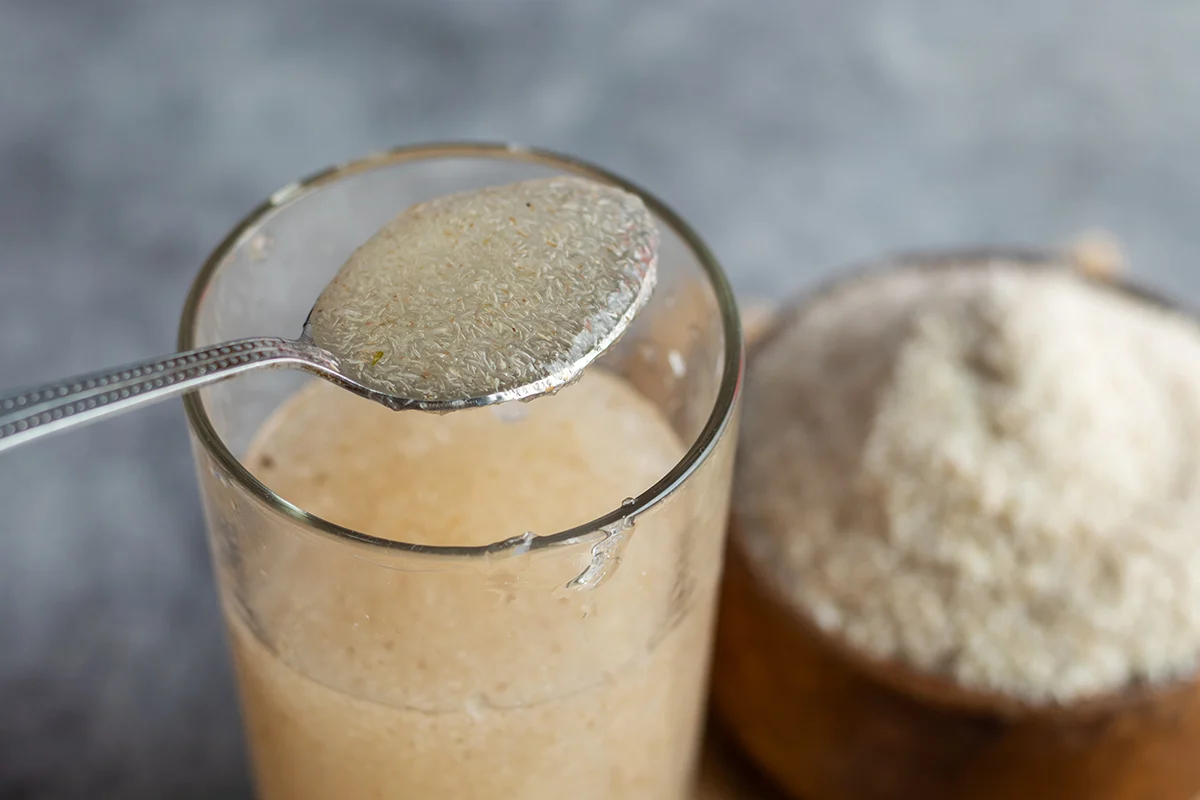
The Secret Technique: Put your measured powder into a dry glass first. Pour in at least 8 ounces of cool or room-temperature liquid (never use hot water, as heat accelerates the gelling process). Stir vigorously and immediately. Do not wait! Drink the mixture straight away before it has a chance to thicken into an undrinkable paste.
Potential Side Effects & Crucial Safety Warnings
While psyllium is entirely natural and widely considered safe for most people, its unique physical properties mean it comes with a few strict rules you must follow.
⚠️ The Absolute Importance of Hydration
This is the most critical warning in this entire guide: You must consume psyllium husk powder with plenty of liquids. A minimum of 8 ounces (250ml) of water per teaspoon is absolutely non-negotiable. If you try to swallow the dry powder or take it with only a sip of water, it can rapidly swell in your throat or esophagus, creating a serious choking hazard. In the digestive tract, insufficient water can cause the fiber to harden, leading to painful constipation or even a severe bowel obstruction. Drink your mixture, and then follow it up with another plain glass of water just to be safe.
Medication Interactions
Because the thick gel is so effective at trapping substances (like sugars and cholesterol) in your digestive tract, it is also incredibly effective at trapping your prescription medications, preventing your body from absorbing them properly.
The Iron Rule: Never take psyllium husk at the exact same time as your medicine. Always take your medications or other supplements at least 2 hours before, or 2 hours after, consuming psyllium.
Bloating and Gas
If you enthusiastically jump from a low-fiber diet to taking 3 teaspoons of psyllium a day, the bacteria in your gut will rapidly ferment the sudden influx of fiber. This creates excess gas, leading to uncomfortable bloating, flatulence, and stomach cramps. Again, start with just a half teaspoon a day to build up your tolerance without the embarrassing side effects.
Frequently Asked Questions (FAQs)
When adding a new supplement or baking ingredient to your routine, it is completely normal to have a few questions. Here are the most common queries about psyllium husk powder:
Is it okay to take psyllium husk every day?
Yes, it is generally safe for daily use. Unlike harsh chemical stimulant laxatives that your bowel can become dependent on, psyllium is a natural, bulk-forming dietary fiber. As long as you drink adequate amounts of water, you can take it daily to maintain regularity and heart health.
Can I take psyllium husk on an empty stomach?
Yes, taking it on an empty stomach is highly effective, especially first thing in the morning to promote a healthy bowel movement. If your goal is weight loss, taking it on an empty stomach 30 minutes before a meal will maximize its appetite-suppressing “sponge effect.
Does psyllium husk break a fast?
No. Pure, unsweetened psyllium husk powder contains zero net carbohydrates and only negligible calories from soluble fiber. It will not trigger an insulin spike, making it perfectly safe to consume during your intermittent fasting window.
What is the best substitute for psyllium husk powder in keto baking?
If you run out of psyllium, the best low-carb binding alternatives are xanthan gum or finely ground flaxseed meal. However, keep in mind that neither absorbs water quite as aggressively as psyllium, so you may need to slightly reduce the liquid in your recipe to avoid a soggy dough.
The Bottom Line
Whether you are looking for a natural way to soothe a frustrated digestive system, a science-backed method to manage your cholesterol, or simply the missing magic ingredient to finally make your keto bread fluffy and chewy, psyllium husk powder is an incredibly versatile pantry staple that delivers real results.
Just remember the golden rules of this powerful soluble fiber: always start with a small dose, never mix it with your medications, and drink a massive glass of water with every single serving. Now it’s your turn! How are you planning to use your psyllium husk powder? Are you going to mix it into your morning smoothie for gut health, or are you ready to tackle a new gluten-free pizza crust recipe? Let us know in the comments below! (Or, click here to check out our top recommendation for the purest, high-quality organic psyllium powder on the market.)
 English
  French
  German
  Italian
  Japanese
  Korean
  Russian
  Spanish
  Portuguese